Brief history of mankind
(in pictures for schoolchildren and academicians)
- Lecture 1. Brief history of Eurasia
- Lecture 2. Aeneolithic (copper age)
- Lecture 3.Cruel (class exploiting)period of the history of society
- Lecture 4 Early antiquity. Bronze Age (II – III millennium BC)
- Lecture 5 Ancient civilization.
- Lecture 6 Steppes of Eurasia in the Middle Ages
- Lecture 7. Eastern Slavs in the Middle Ages
- Lecture 8. Other examples of natural economic laws in the history of society
- Lecture 9. The development of mankind over the past 150 years
Lecture 1.
Brief history of Eurasia
Stone Age (up to 5 thousand years ago)
Approximately a million years ago, primitive man began to use tools made of stone, maybe even spears with a stone tip or invented (won) fire and began to spread rapidly throughout the Earth: across foothills and mountains, displacing bears, tigers and other animals in caves.
Thus, stone tools were found in the Carpathians, which date back to 800 thousand years ago, and 200 thousand years ago in the Fergana Valley.
But about 75 thousand years ago, a sharp climate change on Earth destroyed not only a lot of plants and animals, but also humans (see Fig. 58). His left on the whole Earth no more than a thousand people. The reason for the dramatic climate change, most scientists believe was the eruption of the strongest volcano on one of the islands of Indonesia.
As a result, a new generation has emerged, i.e. the modern man, who was less tall than the previous man, but matriarchal already dominated in him, which made it possible again to multiply quickly and settle the whole Earth again. How did this people, the modern man, appear?
In the 70s of the 20th century, the bones of a modern person, whose age is about 75 thousand years, i.e., were found by archeologists-anthropologists in Israel. roughly coinciding with the moment of climate change. But then, in Ethiopia, the bones of a modern man, whose age is more than 100 thousand years old, i.e. undoubtedly before the start of abrupt climate change. This suggests that the change of modern man occurred before a sharp climate change. Due to a number of reasons that we do not know right now, a separate family (20–30 people) or a clan (50–70 people) changed its social order: patriarchy to matriarchy. At the first – the men lived separately and in the best caves. After the hunt, they first ate, and then the women in another separate cave, where fewer bones were later found.
In Europe, a new man, a Cro-Magnon, drove out an old man, a Neanderthal man, to the north, while he himself occupied the central (Czech Republic) and southern (France, Spain) areas.
But the icing and cooling in the entire Northern Hemisphere, which began about 23 thousand years ago, destroyed the non-standard, and partial mixing with Cro-Magnon gave its genes: greater growth (160 cm for Neanderthal, 135 cm for Cro-Magnon), light skin and light hair .
During icing, practically the whole person died in Perinei (salutrey) in Europe, only a few thousand remained in the Balkans and several thousand in Manchuria (Asia). But at the same time, the strongest development of people in more southern regions comes: Asia Minor (present-day Turkey), i.e. The Khat civilization, Palestine, where people came from the north and Egypt with Libya, where people came from the sea, the Sahara, where there was a savanna in Europe during icing, there were many hoofed animals (Tassilia, see fig. 68, 69). But then, when the glaciers moved to the north, there was less precipitation in the Sahara and it was hotter and it turned into a desert.
Part of the European primitive people (Solutreans) emigrated 16 thousand years ago to North America.
The boundary of the ice was approximately along the line Paris – New York. And along this edge of the ice, some Europeans reached America, then mixed with those who came later through the Bering Strait and the Aleutian Islands, in the 14th millennium BC. Manchurians becoming the Indians of America. The Balkans then, after warming, settled all of Europe and even part of Asia to the Altai.
About 7 thousand years ago, the Paleolithic ended and the metal age began (copper age, bronze age and then the iron age).
From fig. (58) we see that at least the primitive man made an attempt to become modern five times, but for one reason or another he died, and the fittest survived, first of all, by his public order and thinking, our ancestor was Cro-Magnon.
At first, Australopithecus, the bright representative of which the woman “Lucy” is in the British Museum of Anthropology and History (90 cm tall, 16 years old), did not go beyond Africa, but had a fairly large number, about 1 million years ago died.
But it was precisely at the same time that the “new” homosapiens “appeared” – the archangel, who reached and settled Europe, and then died. And again approximately at the same time a “new homo-sapiens“ appears, ”a“ paleoanthropus ”that settled down to the Fergana Valley (200 thousand years ago) and which“ disappears ”75 thousand years ago, and a new person, a“ Neanderthal ”, appears in Europe which during the last icing in Europe also disappears. Then Europe is settled by Cro-Magnon.
Thus, always one family, or race, or even a human couple, which was very different from others, but with abrupt climate changes, was best adapted in advance to it, survived and gave growth to this type of person.
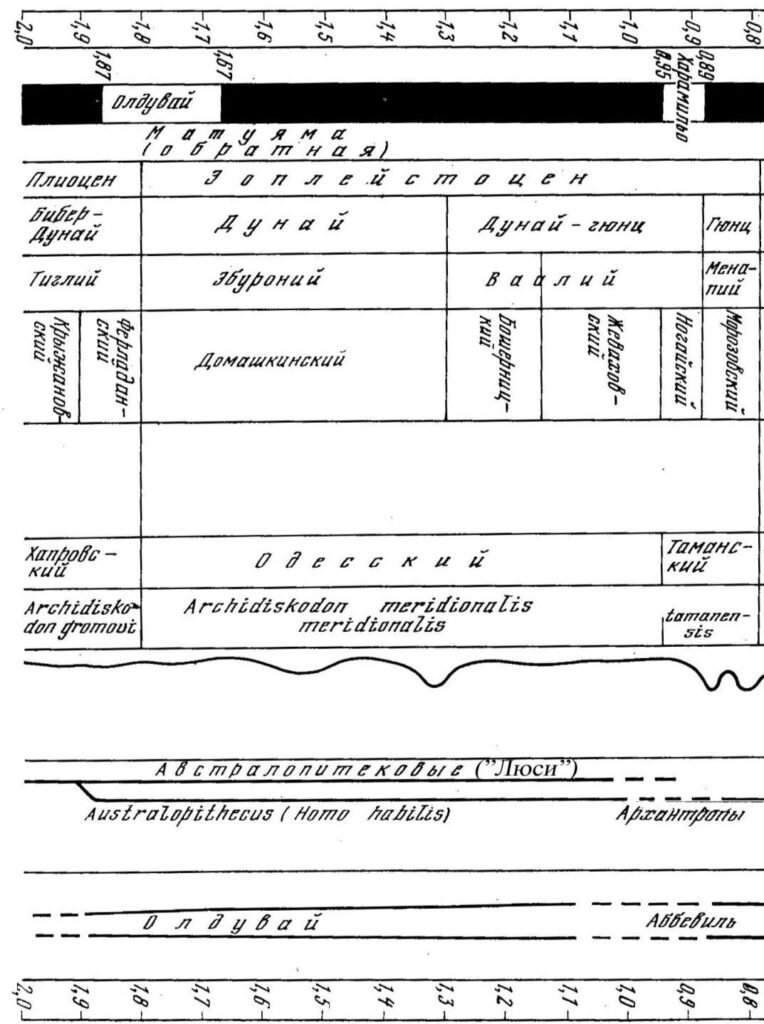
Fig. 1. Chronostratigraphic scheme of anthropogenic deposits of Eastern
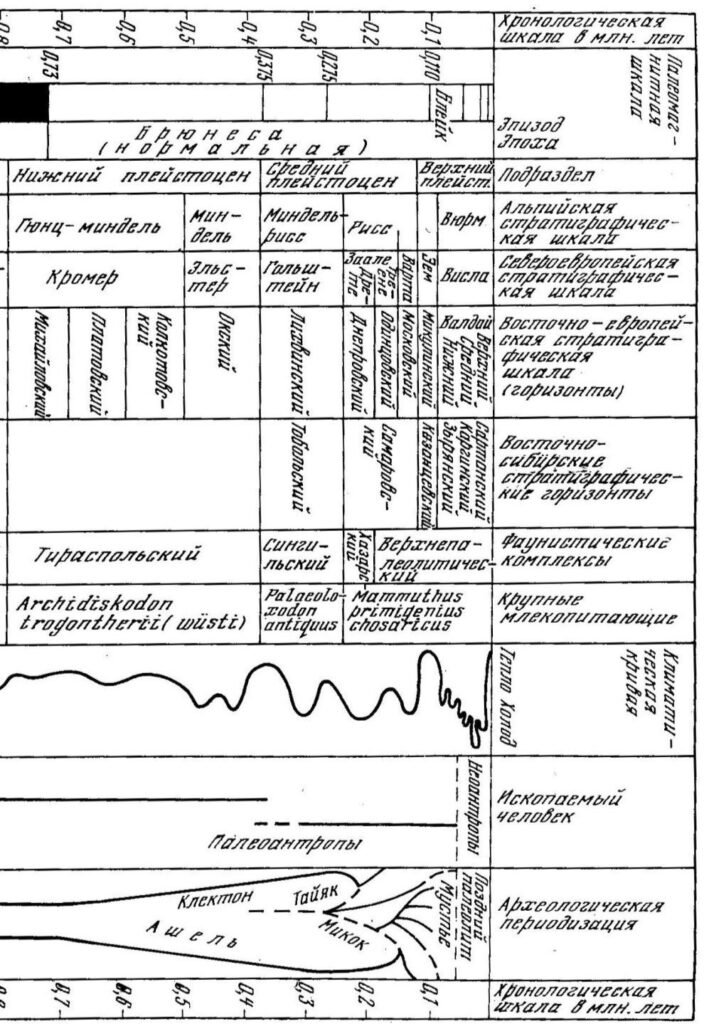
Хронологическая шкала в млн. лет – Chronological scale in millions of years.
Археологическая периодизация- Archaeological periodization:
– Поздний палеолит – Late Paleolithic
– Мустье Moustier
– Тайяк, Микок, Клектон, Ашель, Аббевиль, Олдувай Tayyak, Mikok, Clekton, Ashel, Abbeville, Oldduvay.
Ископаемый человек Fossil man:
– Неоантропы, Палеоантропы, Архантропы, Австралопитековые – Neoanthropes, Paleoanthropes, Archanthropes, Australopithecus.
Климатическая кривая: Тепло, холод – Climate curve: Heat cold
FIG.1 Europe and the correlation with other regions. (see 1, p19*)
- . USSR, Academy of Sciences, Institute of Archeology, “Archeology of the USSR. The Paleolithic of the USSR “, publishing house” Science “, Moscow, 1984. )
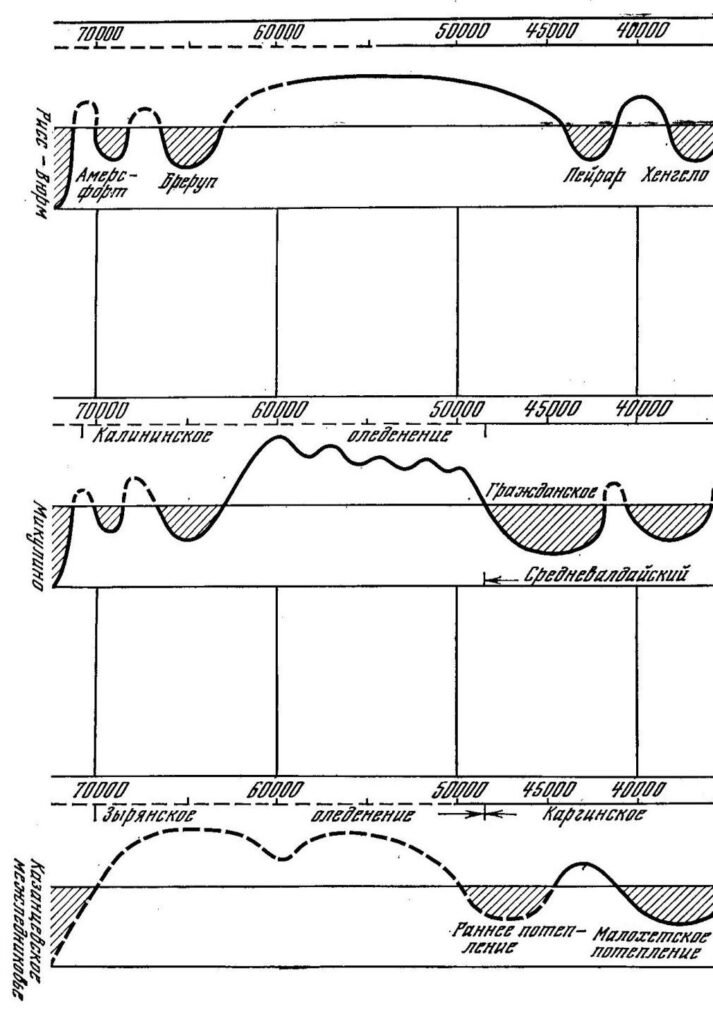
Fig.2 Temperature fluctuations in Eurasia over the past 35 thousand years(2. USSR, Academy of Sciences, Institute of Archeology, “Archeology of the USSR. The Paleolithic of the USSR “, publishing house”Science”,Moscow,1984.).холод.Тепло.
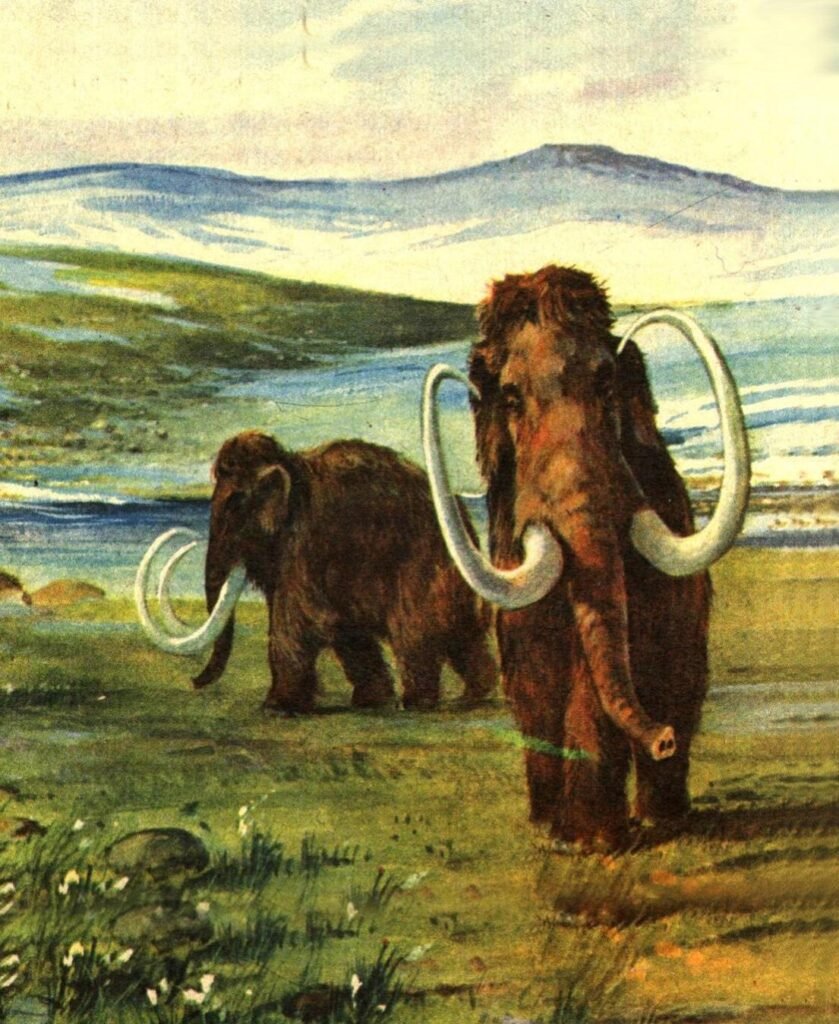
Fig. 3. A herd of mammoths in the summer at the edge of the continental glacier in the Quaternary
on the fact that the ice retreats. Hood A. Dietzel and X.Y. Ericht
period (10 thousand years ago). Curly rocks (on the right) and boulders indicate
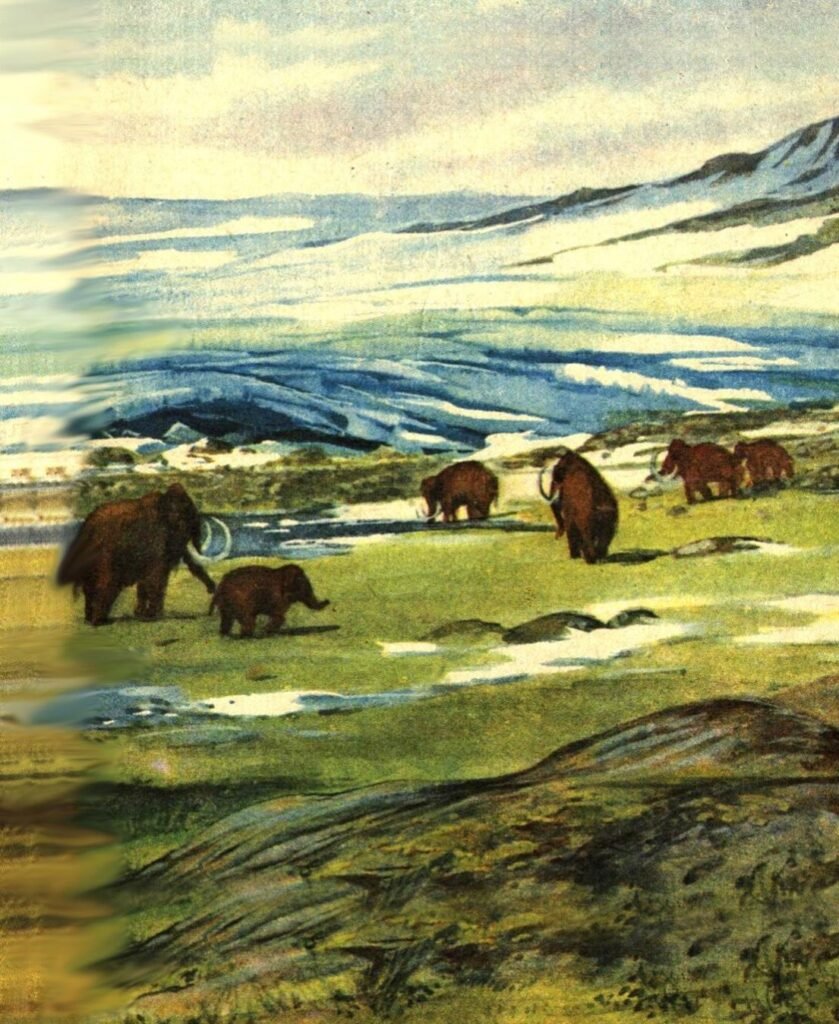
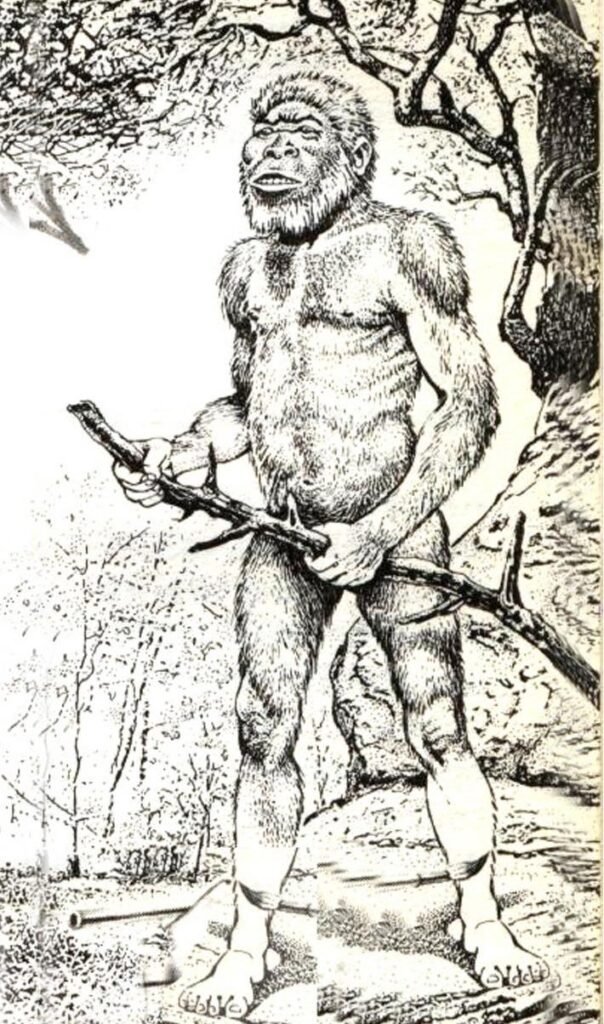
Fig. 4. Primitive man, paleoanthropus (100 thousand years ago).
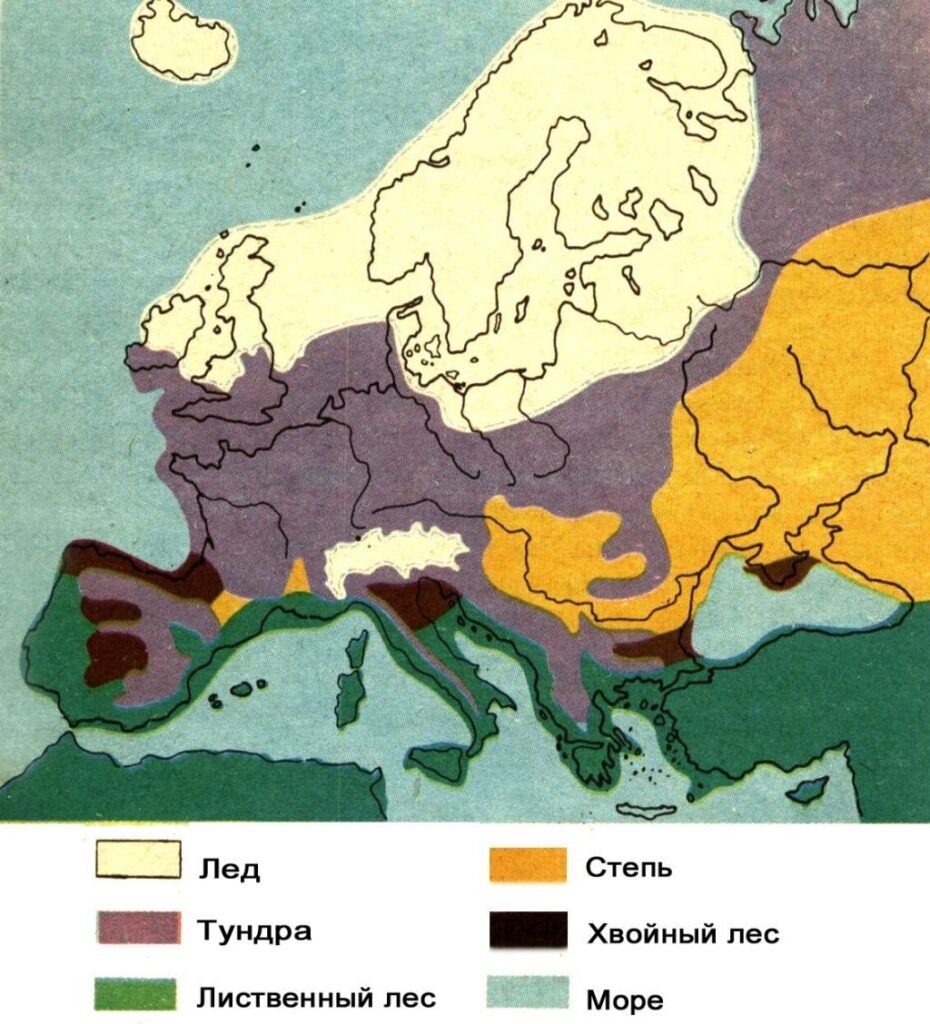
Лед, Тундра, Лиственный лес, Степь, Хвойный лес, Море – Ice , Tundra, Deciduous forest, Steppe, Coniferous forest, Sea
Fig. 5. Europe and the very peak of the Quaternary glaciation, 18 thousand years ago (R. Brinkman). (see 2, p. 116)
Lecture 2.
Aeneolithic (copper age)
The copper age (Eneolithic) of Eurasia (4–3 thousand BC) is characterized by three main cultures: Tripoli (Dniester-Dnieper) culture, Chernyakhovskaya (Middle Povolozhie) and Bolgrad-Kukuteni culture (Ukraine-Romania). The main indicator of this era was the spread of copper knives from the Danube to Altai and the main ore areas – the Balkan Peninsula and the Urals.
Near Bolgrad (Ukraine, Odessa region) the oldest wheel was found in the European part (4.5 thousand years ago), a potter’s wheel appeared in Eurasia, the first steppe inhabitants (Cimmerians) appeared in the Black Sea steppe, the first permanent large settlements appeared (up to 10 thousand people ) (see fig. 92–93)
The copper age can be considered the golden age in the history of mankind. There were no wars, people lived in large friendly and huge settlements without fortifications, prisons and surplus (see fig. 92–93). But the appearance of bronze made it possible to do not only axes for cutting trees and a man began to inhabit the forests, but also battle axes, which were easy to kill a man. The system also changes: from the matriarchy in the Copper Age, the first patriarchates (agriculture) emerge, and then in the Bronze Age – the full patriarchy (authorities). This is how about 5 thousand years ago, the first wars that allow you to kill, take and make some work (who have stronger army) over others. And so it continues to this day: the state exploits the people (its and others’) with the help of force.
A man’s selection mutation occurred: from a man he turned into a barbarian who kills himself in a mass order of his own kind and division into those who rule (mutants) and subordinates, i.e. normal.
With the help of deception, the rulers plundered their people, by force and cruelty other peoples.
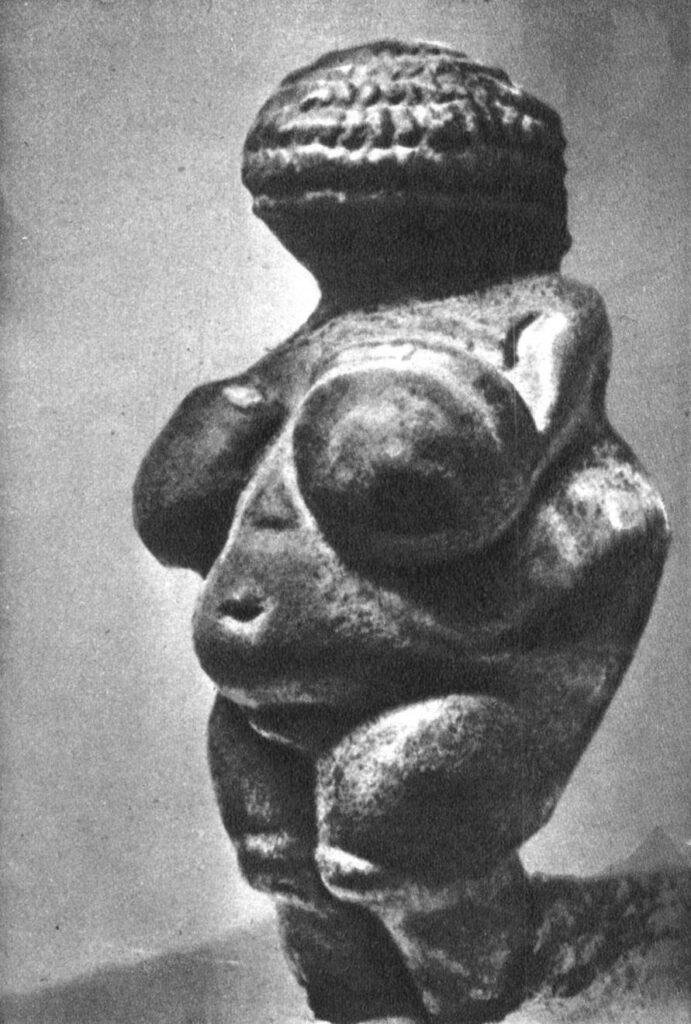
Fig. 6. Venus of Willendorf. Limestone. Height 0.06 m.
Paleolithic. The era of Orignac. Solutreis pre-glacial and glacial period of the Pyrenees (up to 20 thousand years ago) (photo).
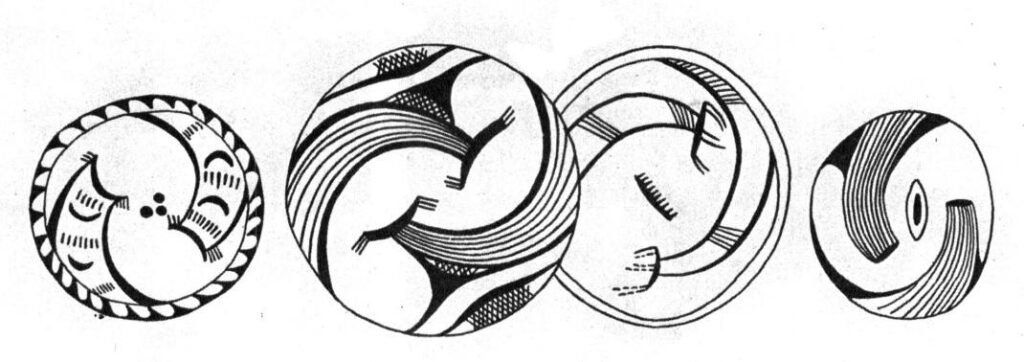
Fig. 7. Bison. Painting on the rock. Altamira Cave. Spain. Paleolithic. The Age of Madeleine (photo).
The postglacial period (20 – 10 thousand years ago).
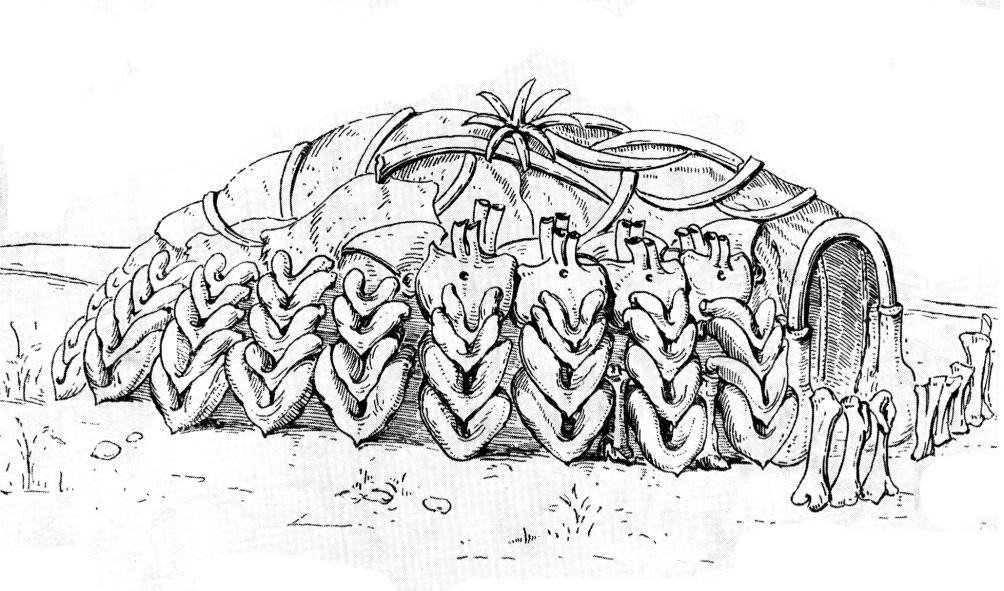
Fig. 8. Inter-house dwelling. Estimated appearance.
According to I.G. Pidoplichko.
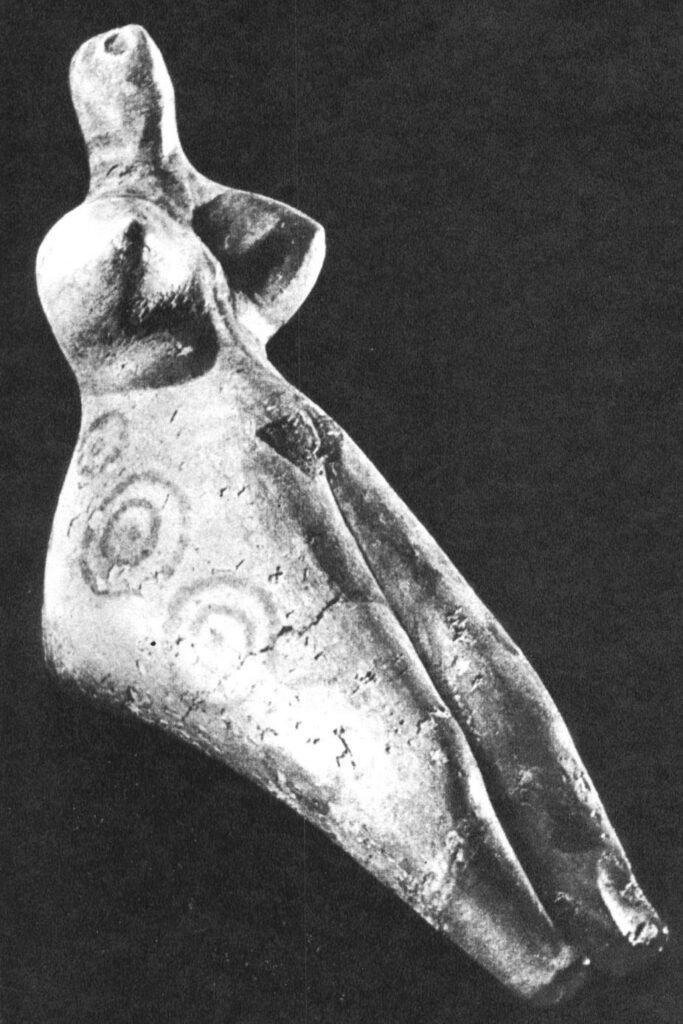
Fig. 9. Female figure. Clay. Height 0.14 m. South. Turkmenistan
Neolithic. (a photo)
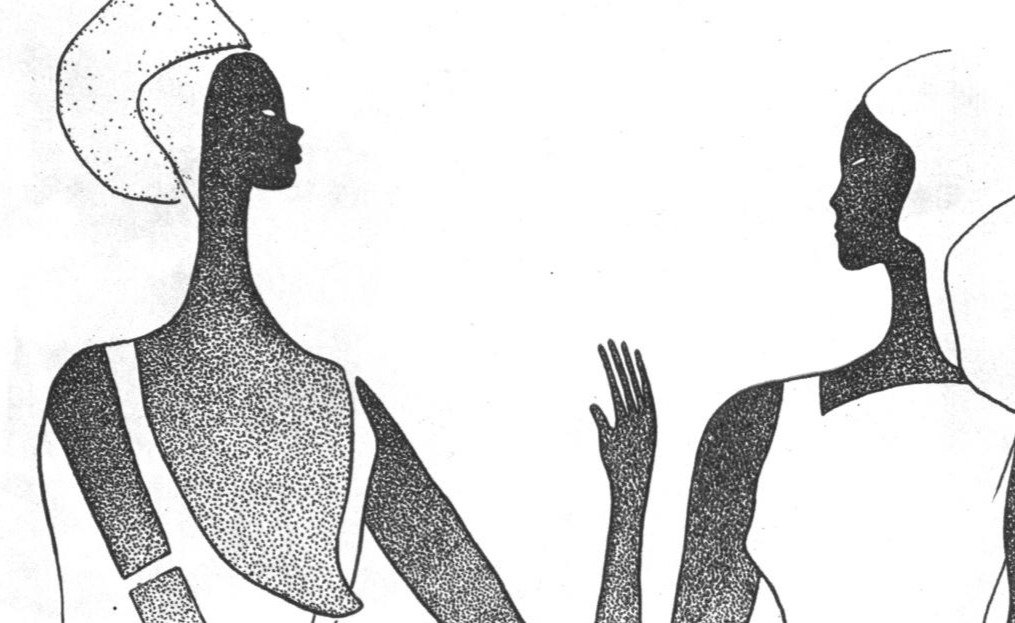
Fig. 10. Women. Painting on the rock. Tassili, Sahara. Neolithic
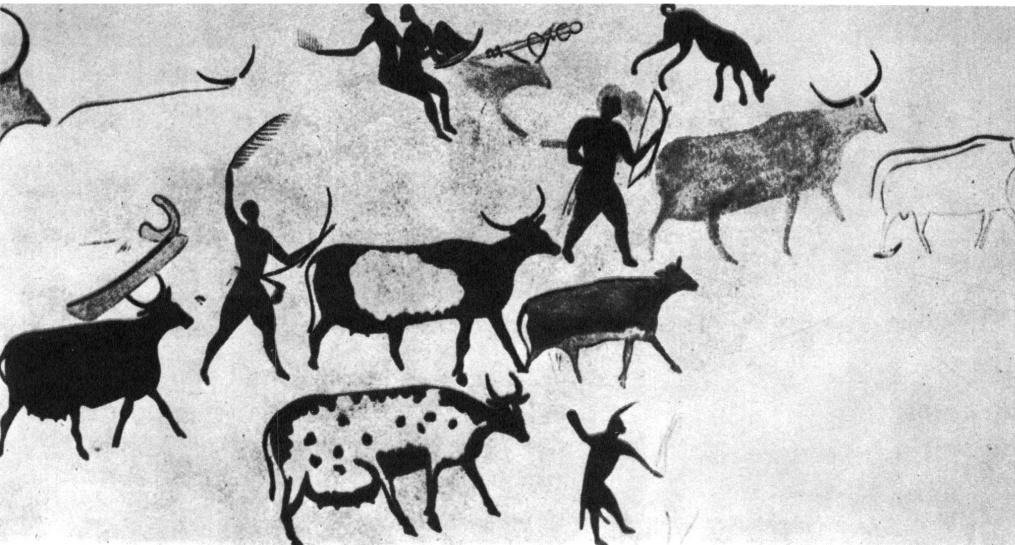
Fig. 11. Herd. Painting on the rock. Neolithic. (a photo)
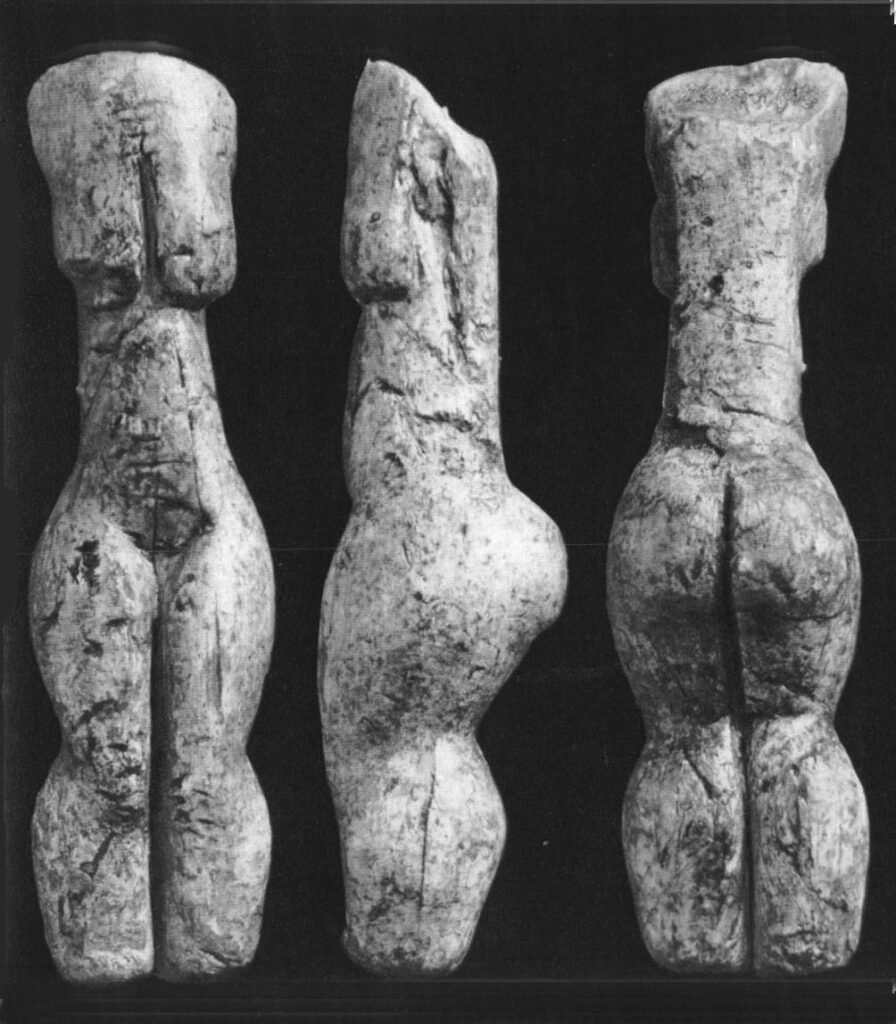
Fig.12. Female figurine (mammoth tusk; height is about 15 cm.)
from the Eliseevichi site (Bryansk Region of the Russian Federation), Leningrad, Museum of Anthropology and Ethnography of the Institute of Ethnography of the Academy of Sciences of the Russian Federation. (a photo)
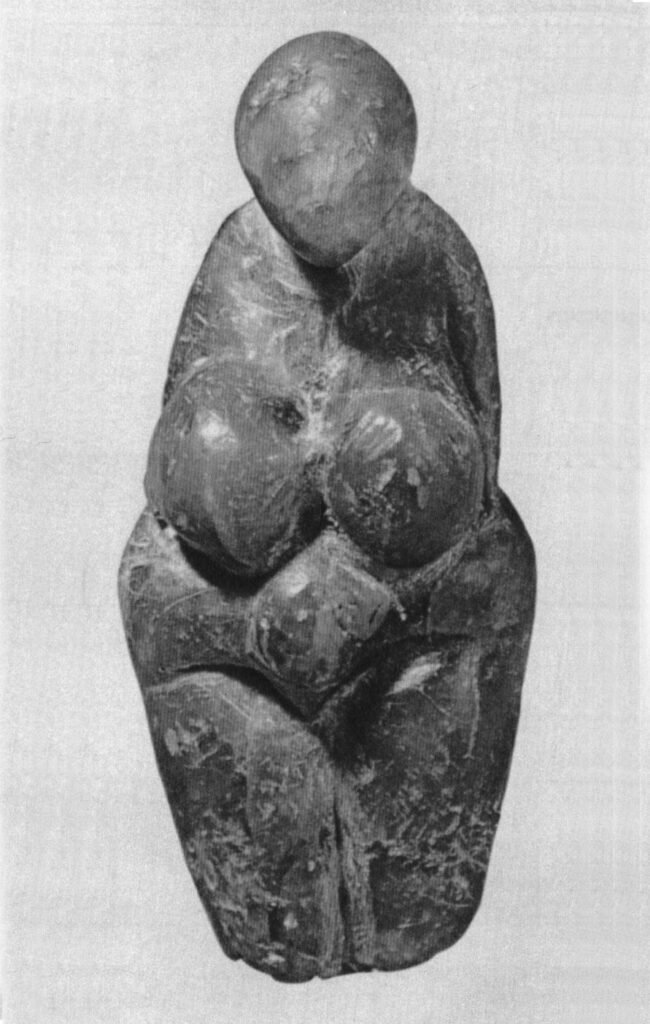
Fig. 13. “Venus” (yellow steatite; height – 4.7 cm) Statuette from the grottoes of Grimaldi (Italy) (photo)
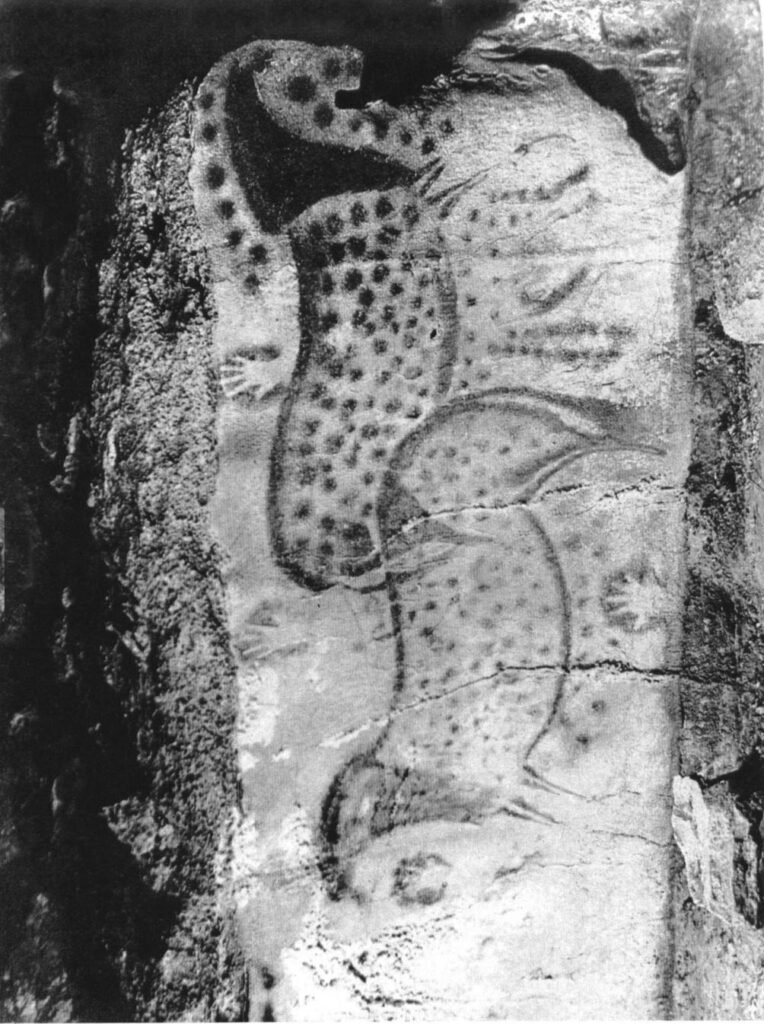
Fig. 14. Composition of horses with “hoods”, negative handprints, red and black disks (total length 3.5 m) in the Cave of Pes Mer Mer, France (15 thousand years ago). (a photo
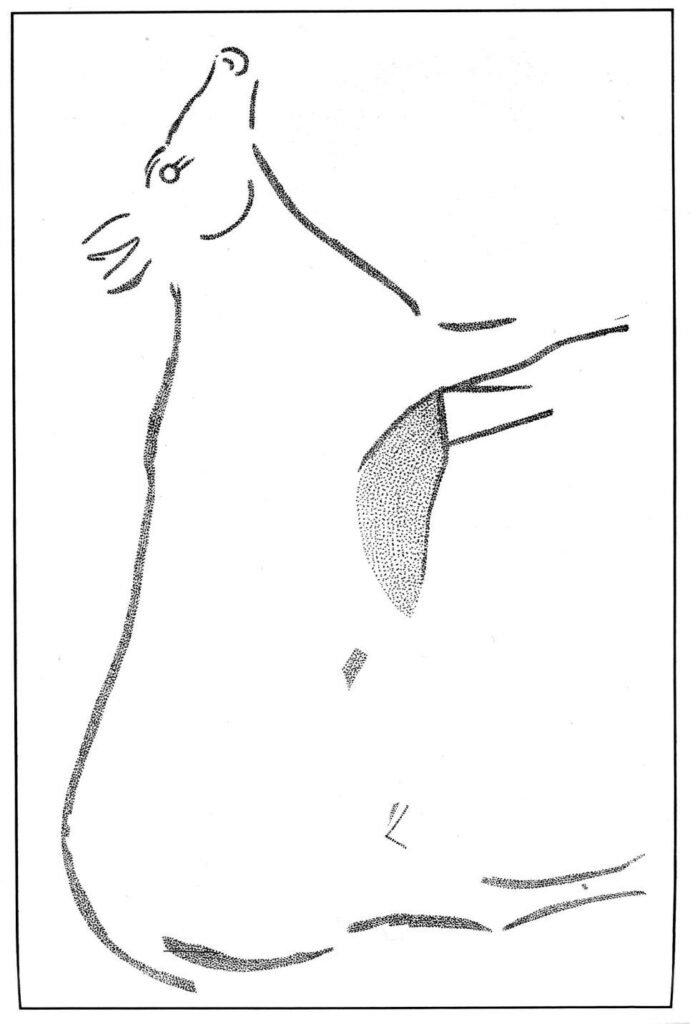
Fig. 15. Horse. Contour engraving on the bone tip
(length 17.4 cm) from Istirits cave (Lower Pyrenees, France)

Fig. 16. Horse. Contour engraving on the bone tip
(length 17.4 cm) from Istirits cave (Lower Pyrenees, France)
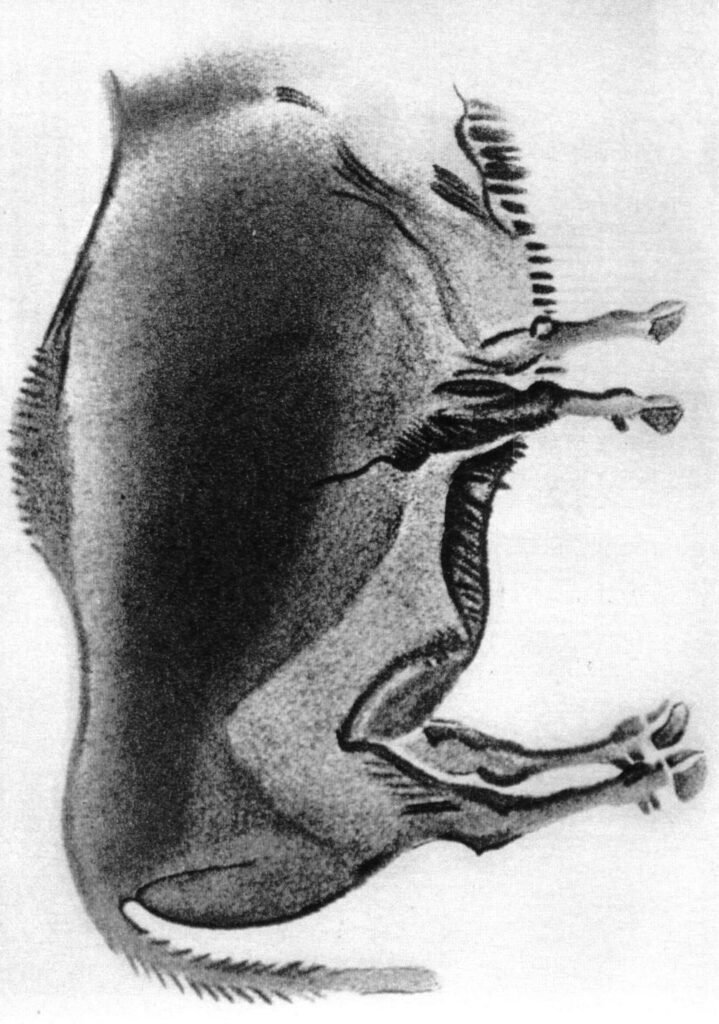
Fig. 17. Horse. Contour engraving on the bone tip
(length 17.4 cm) from Istirits cave (Lower Pyrenees, France)
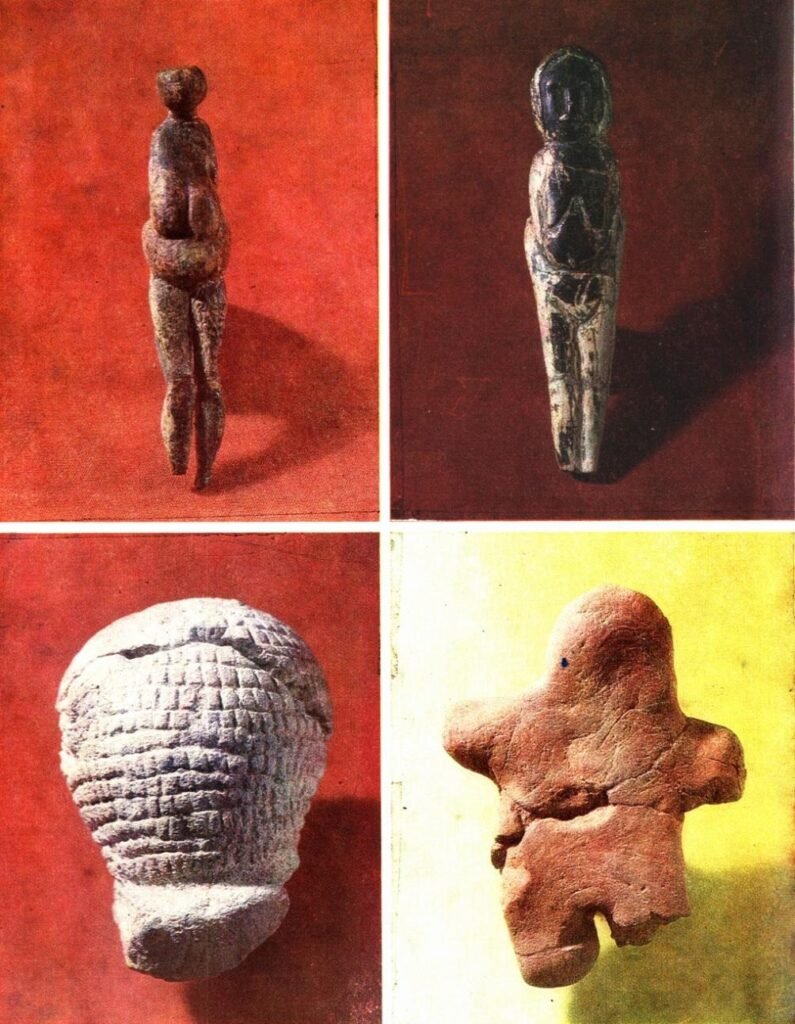
Fig. 18. Paleolithic images of man
Statuette of mammoth tusk. Gagarino; figurine of mammoth tusk. Malta; statuette head of marl, Kostenki 1; clay statuette. Maininskaya parking. (a photo)
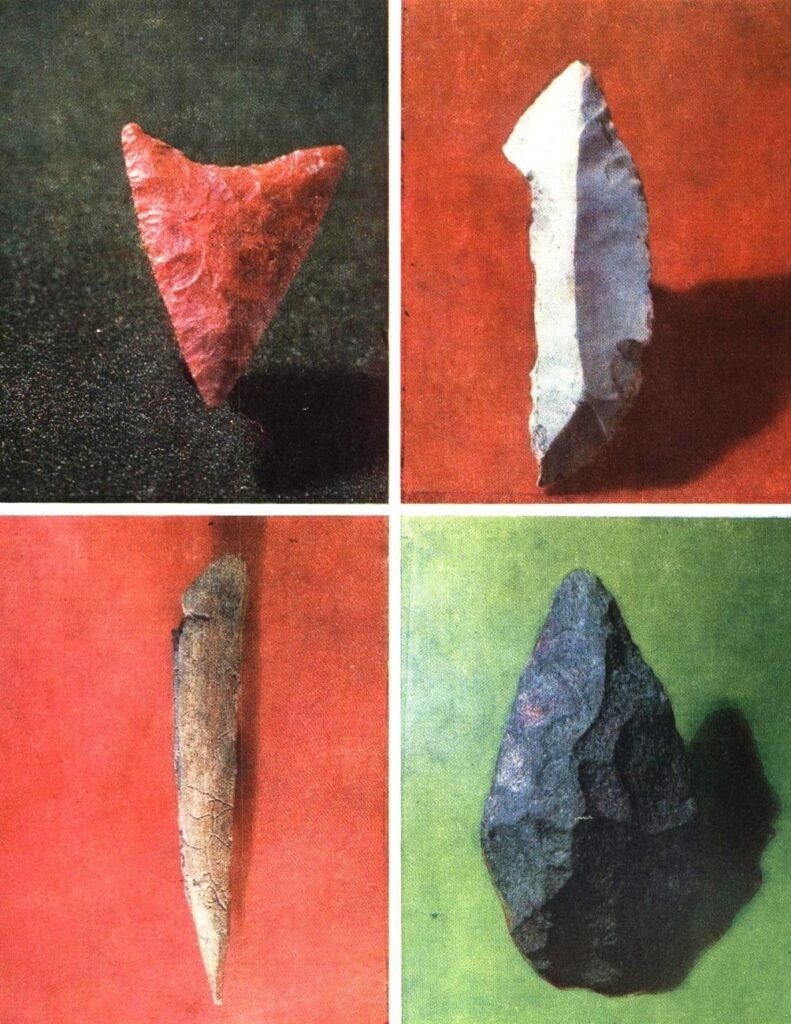
Fig. 19. Paleolithic tools
Flint tip. Kostenki 1, 5 layer; Flint tip.
Kostenki 1, 1 layer; Horn spearhead with stone liners; Kokorevo 1; Hand chopped from sandstone. Kudaro I. (photo)
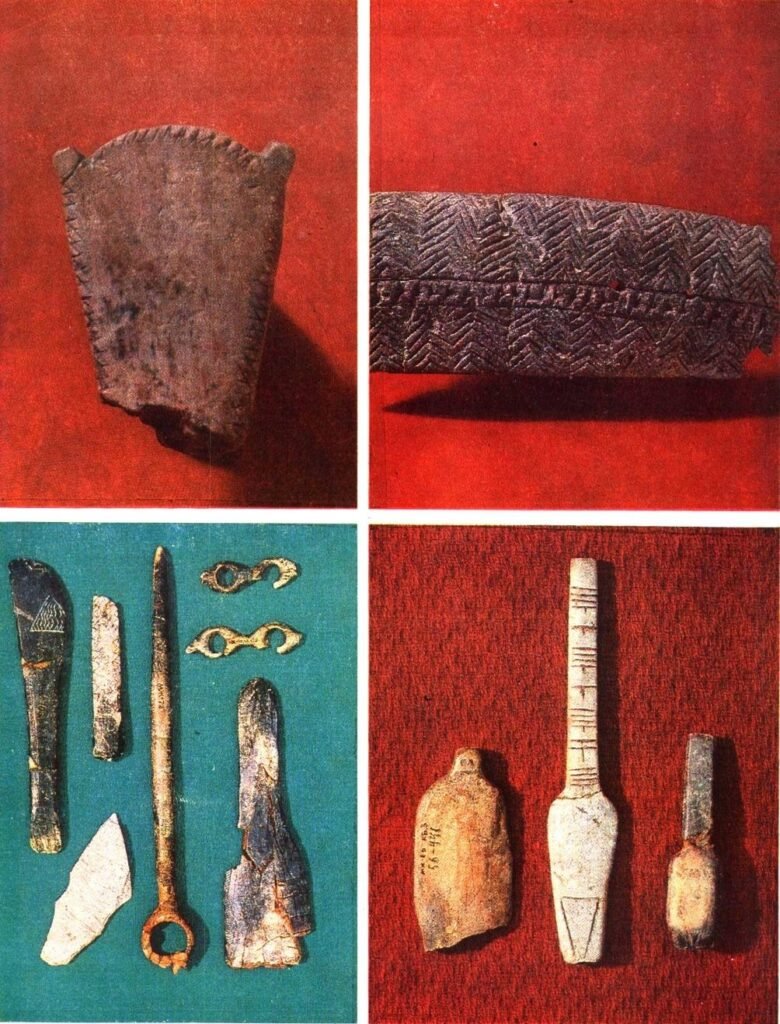
Fig. 20. Carved bone in the Paleolithic
Pommel spatula Kostenki 1; a piece of bracelet. Kostenki 1;
Crafts from tusk. Mezhirichi; Stylized anthropomorphic figures. Mezhirichi. (a photo)
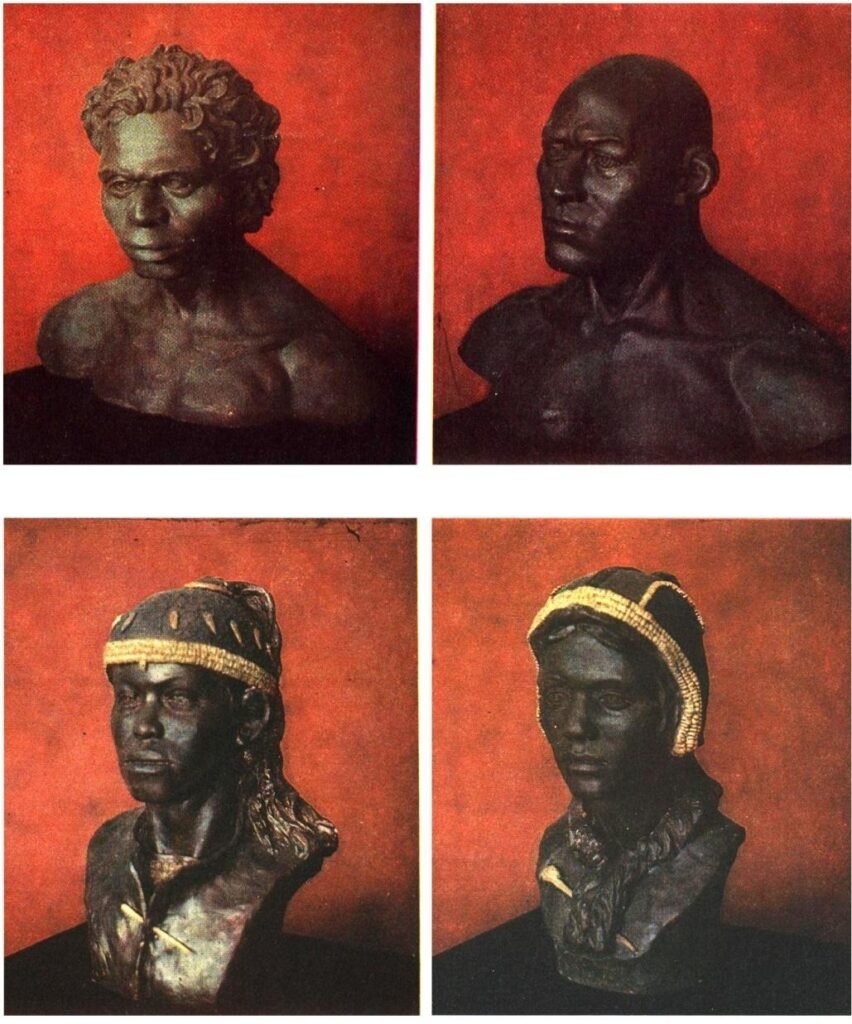
Fig. 21. Burial of a man and his reconstruction. Sungir Reconstruction of a man from the burial in the parking lot of Maryina Gora. Kostenki 14 Upper Don (photo)
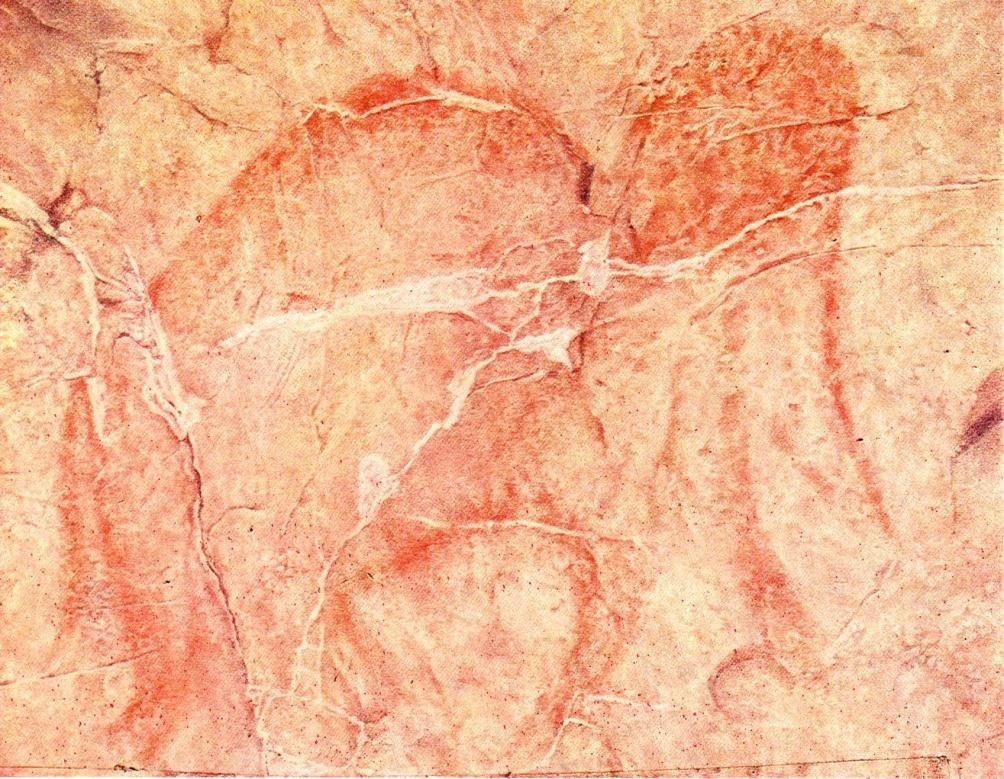
Fig. 22. Paleolithic painting Kapova cave, Southern Urals, p. Belam Images of mammoths. (a photo)
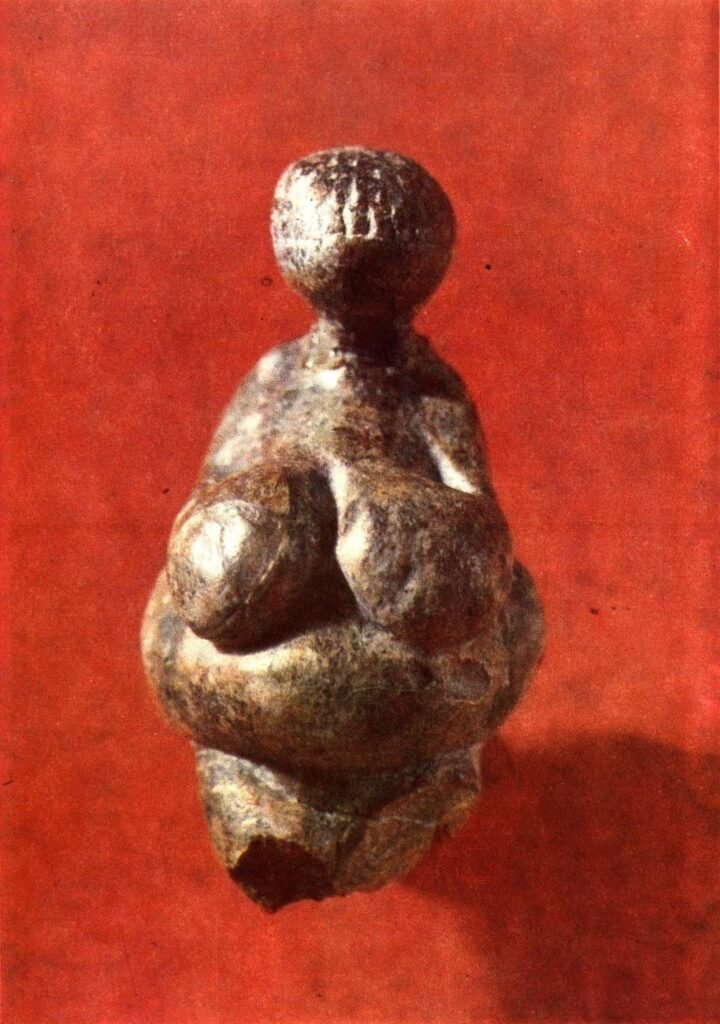
Fig. 23. Statuette of mammoth tusk. Gagarino. (a photo)
CULTURE Tripolye-Cucuteni: Ukraine, Moldova, Romania.
(The middle of the 3rd millennium BC, before the 2400 BC, the copper age,
The mouth of the Danube River and the Carpathian region, was not yet ancient Greece)
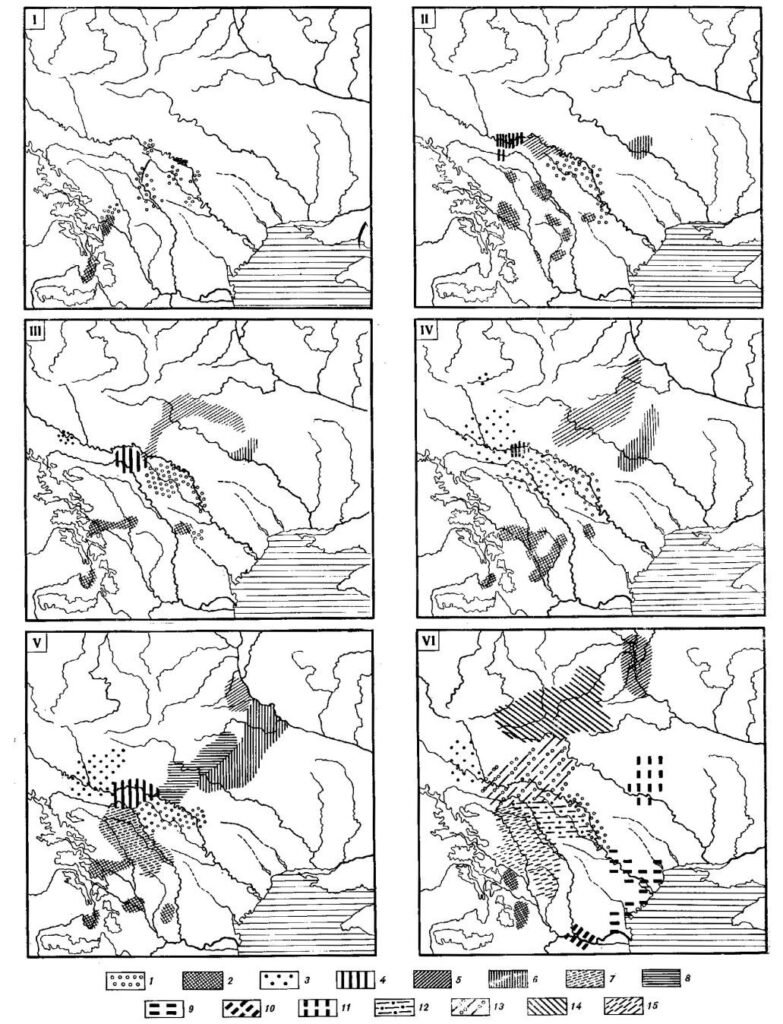
I – II Early period. III – IV The average period. V – VI Late Period
Fig. 24. The scheme of areas of the cultural groups of Tripolye-Cucuteni: Ukraine, Moldova, Romania.
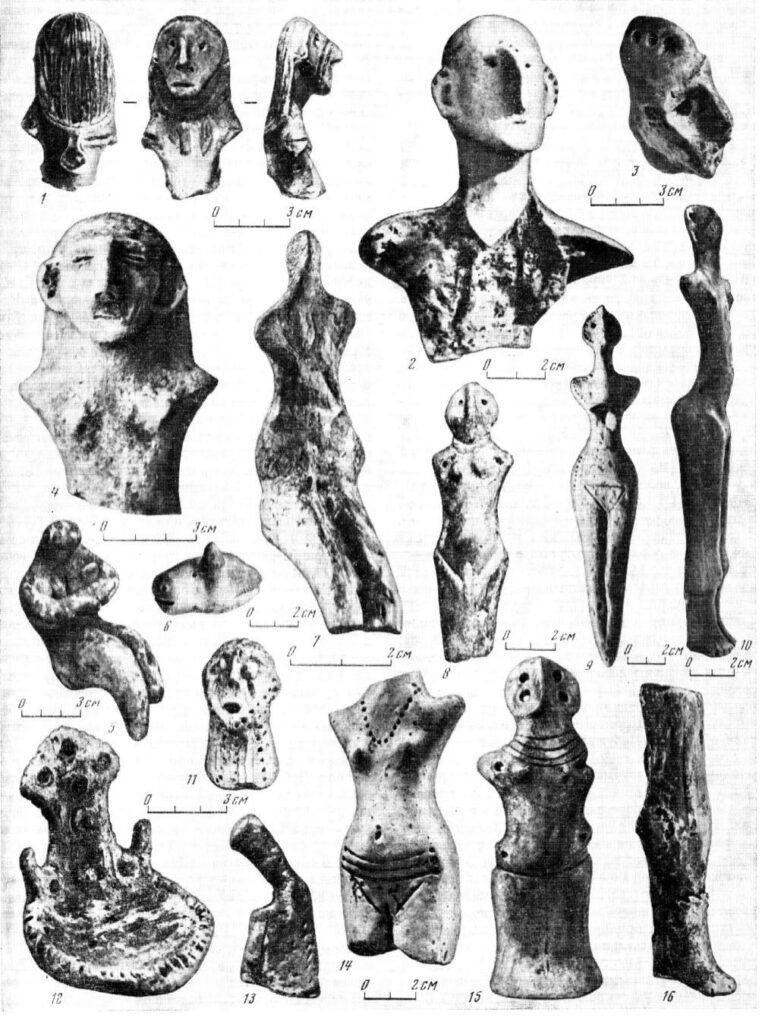
Fig. 25. Plastic culture of Tripoli-Cucuteni
1, 4 – Vladimirovka; 2 – Rusyans; 3, 10, 16 – Koshilovtsy-Pooz; 5, 6, 15 – Radaya; 8 – Magpie-Lake; 9, 13 – Vyhvatintsy; 11 – New Balti; 12 – Vorotz; 14 – Sukhostav
Fig.26 Graphic reconstruction of the appearance:
a)(Рис.84) men on the skull from the piling of 19 Vykhvatinsky
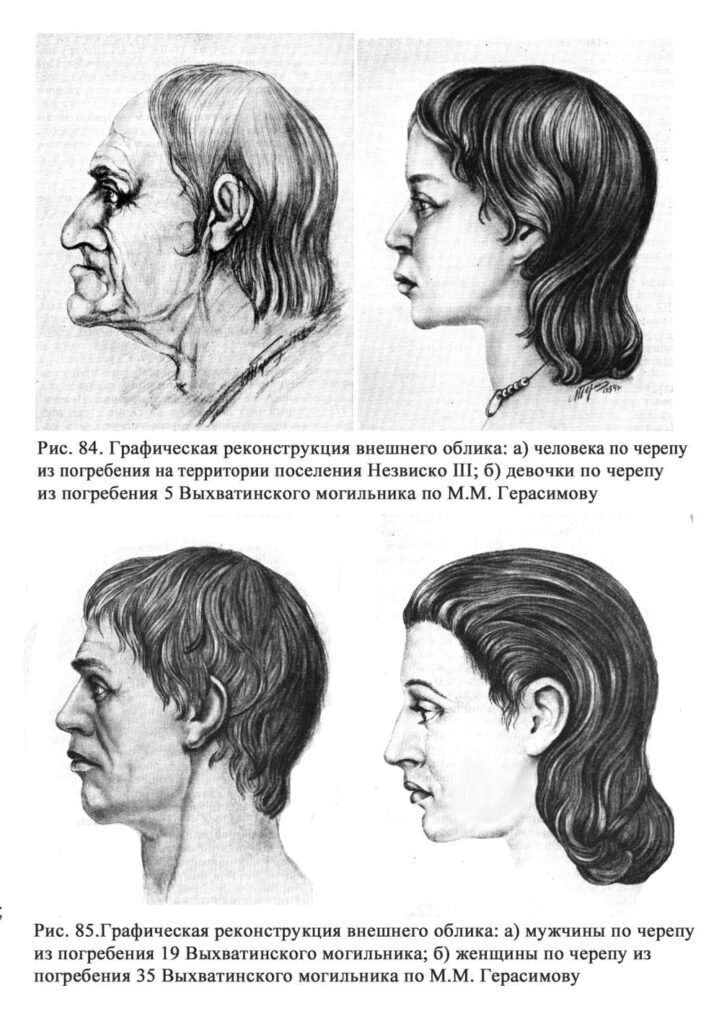
burial,
b)(Рис85.) women on the skull from the grave 35, too, of the Vykhvatinsky burial ground
(according to Gerasimov)
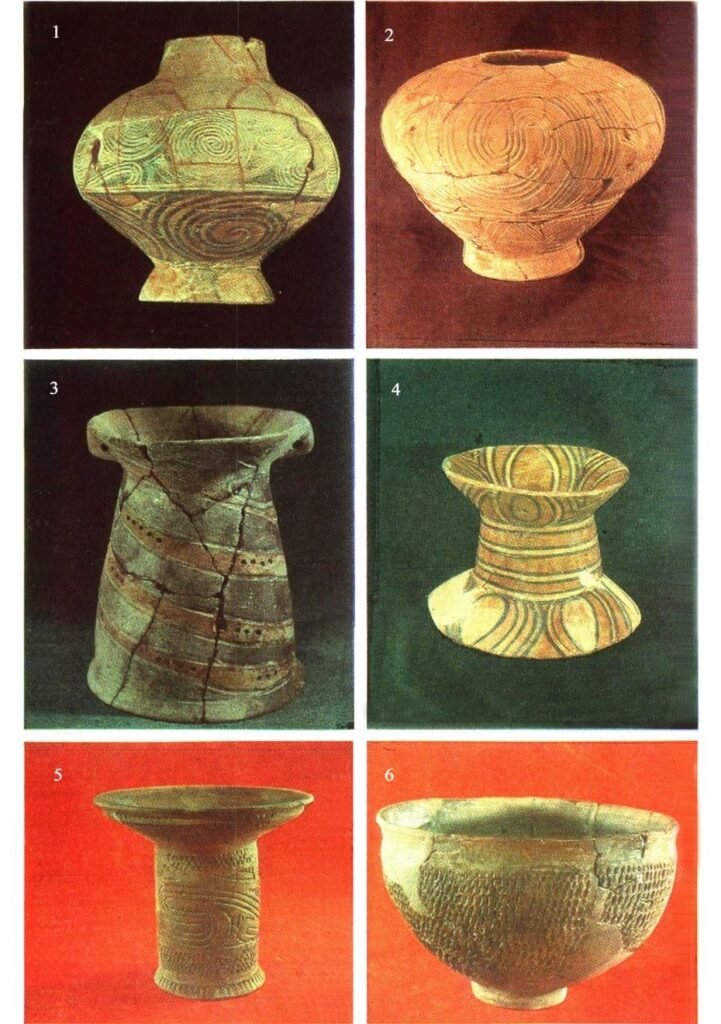
Fig. 27 Pottery early and middle Tripoli
1 – Painted vessel. Jury; 2 – Vessel with a deep ornament. Jury; 3 – Vessel with a deep ornament. New Roseshty I; 4 – Painted vessel. Soloncheny II; 5 – Vessel with carved pattern. Rogozhany II; 6 – Kitchen vessel. Horns II

Fig. 28. Painted ceramics and plastic of Late Tripoli monuments
1.2 – Women’s clay figurine. Brynzeny III; 3 – Female clay figurine. Vykhvatintsy; 4 – Painted vessel. Brynzeny VIII; 5 – Painted vessel. Old Badraji; 6 – Painted vessel. Varvarovka VIII (photo)
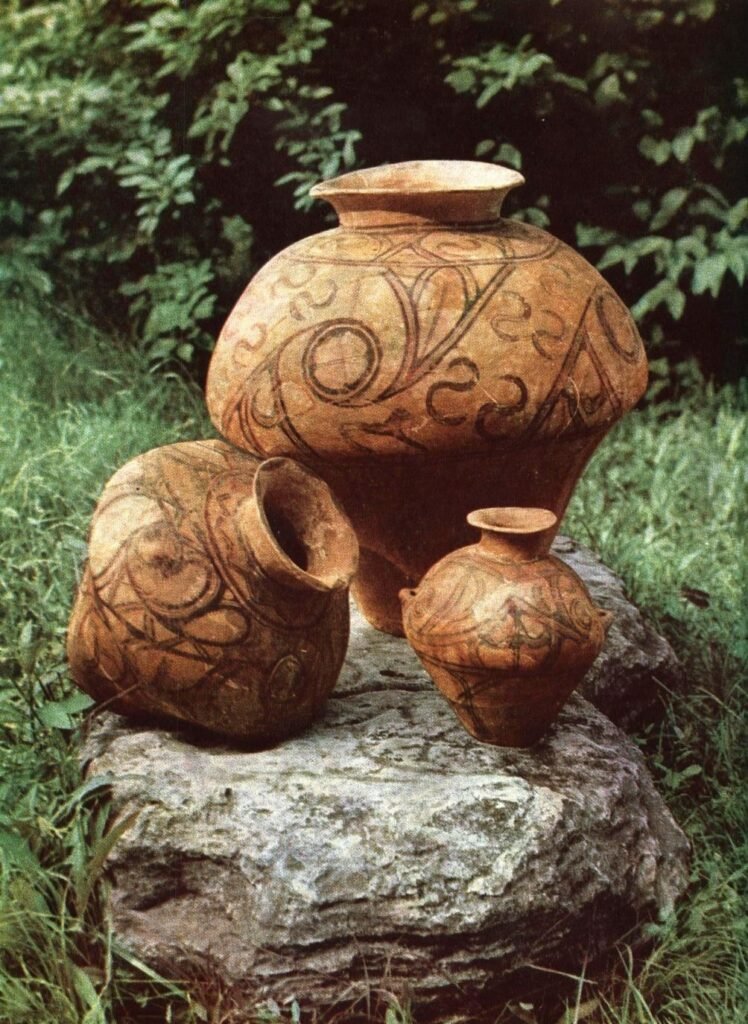
Fig.29. Late Tripolian painted vessels. Old Badger,Moldova(photo)
Fig. 30. Reconstruction Tripoli dwellings
1- settlement Rakovets; 2- settlement Lenkovtsy, Upper Transnistria
Fig. 31. Pottery culture Tripoli-Cucuteni with symbolic signs
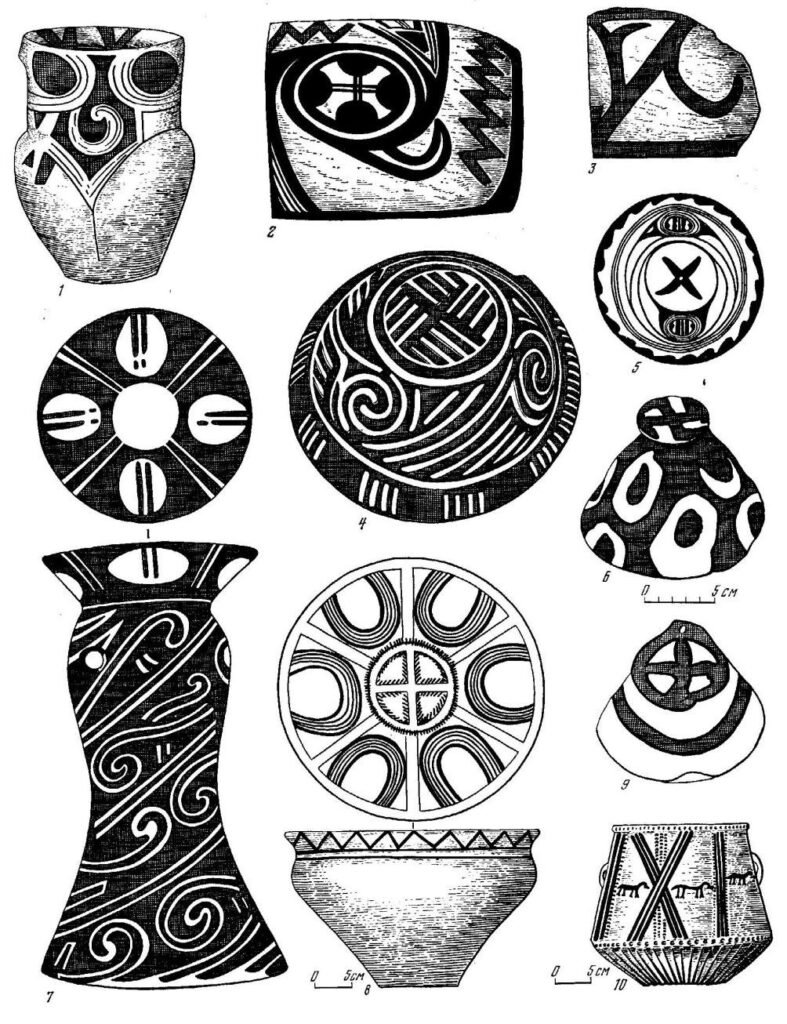
1-6-Trayan-Dyalul Fynytinor III; 2 – Targu Okna-Podi; 3-5-Frumushik I; 7-Frumushik II; 8 – Gelaeshti
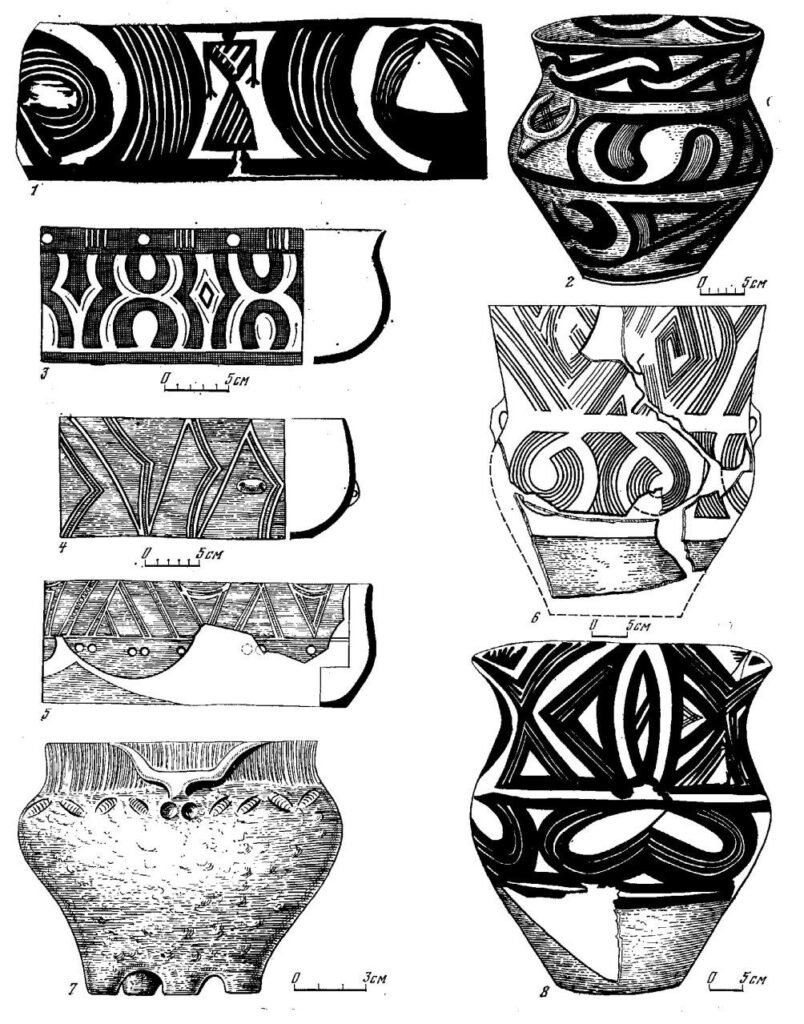
Fig. 32. Pottery culture Tripoli-Cucuteni with symbolic signs.
1-4 Dragusheni; 2-Cucuteni-Chetusuya III; 3-9-Koshilovtsy-Ovoz; 5-Schipens B; 6-Frumushik I; 7-Cucuteni-Chetusuya I; 8-Frumushik II; 10-Tudorovo
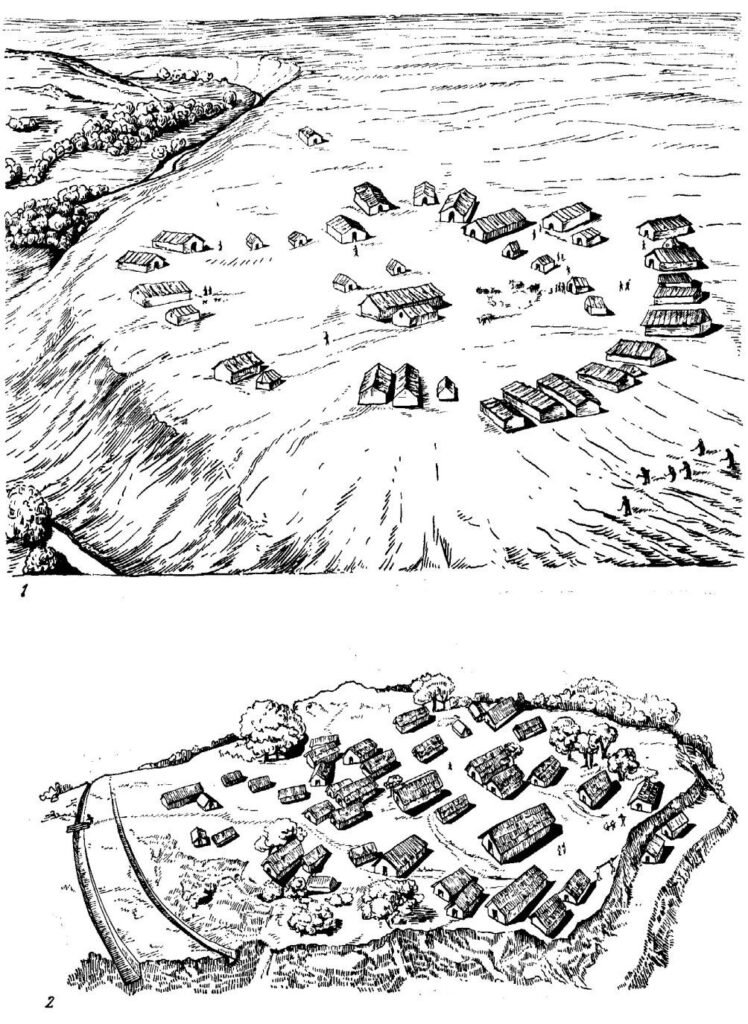
Fig. 33. Reconstruction of the settlements of the culture of Tripoli-Cucuteni, Carpathians, Romania.
1-KolomiyschinaI;2-HebesheshtiI
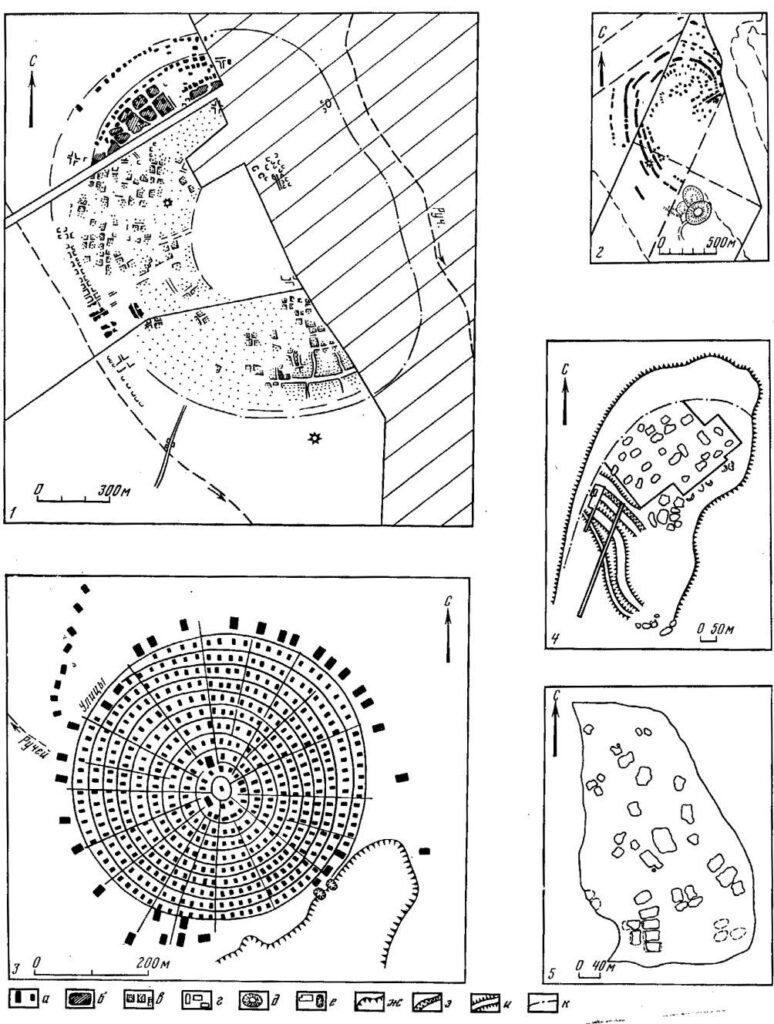
Fig. 34. Plans for Late Tripoli settlements, river Reut Carpathian
1-Dobrovody; 2 Maydanetskoe; 3-Petrenas (Moldova); 4-Costesti IV; 5 Brinzeny III; a-unexpanded buildings; b – estimated quarters; g – uncovered structures; d – late settlements; e – excavations; W – break; zorov; and – shaft; to – the border of the village(see25,p.300)
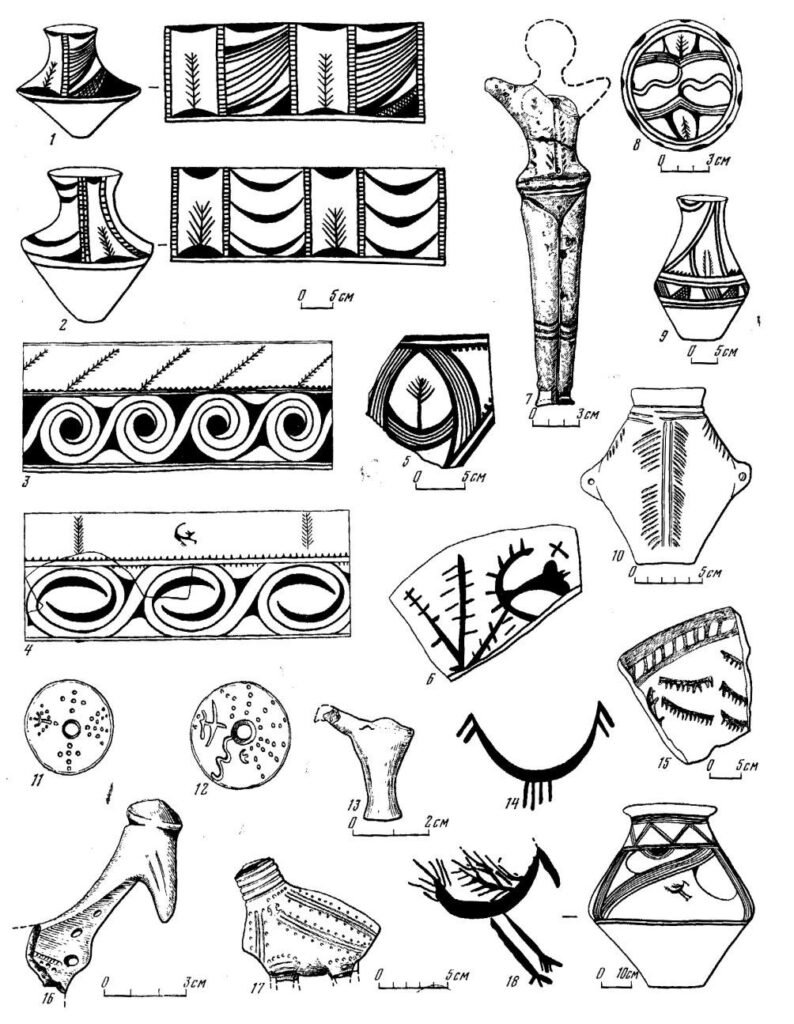
Fig. 35. The image of birds, animals and plants in the art of Tripoli-Kukuten communities
1,2-Tomashovka; 3,4-Schiping B; 5.8-Varvarovka VIII; 6-Middle Dnieper (according to V.V. Khvoyko); 7-Koshilov-Ovoz; 9-Kasenivka; 10-years; 11-City; 12 Rajki; 13-Bernovo-Luka; 14-Nemir; 15-Kazaronovichi II; 16-Vladeni; 17-Luka-Vrublevetskaya; 18 Brinzen IV
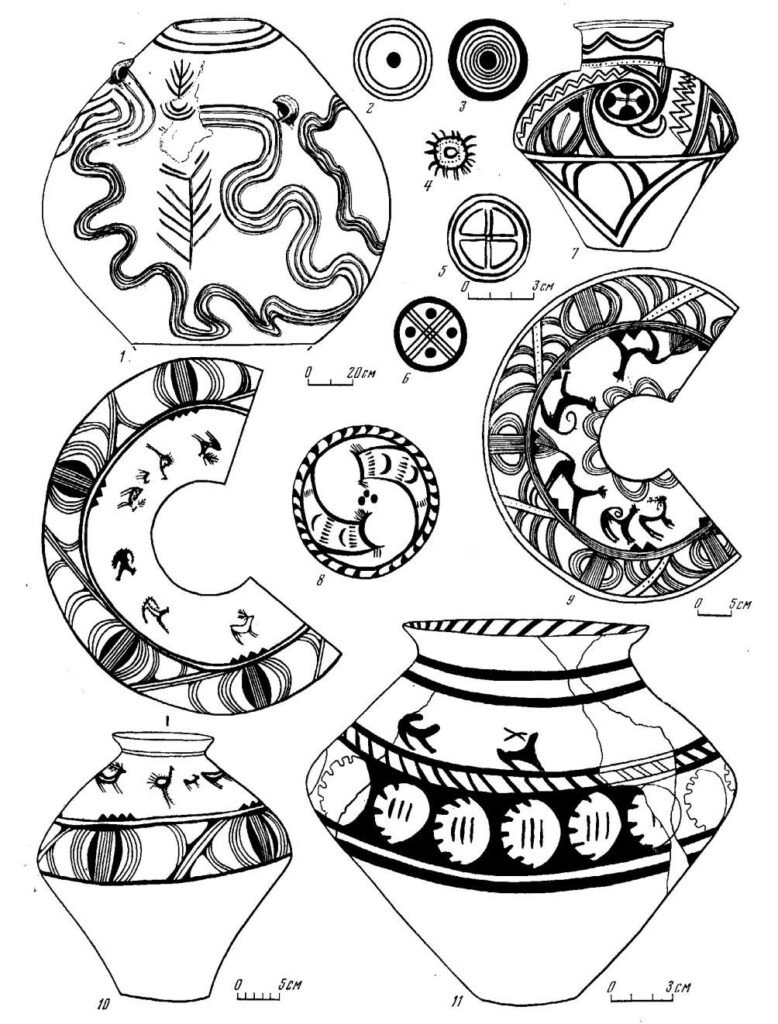
ig. 36. Ceramics of the late period of the Tripoli culture.
Cucutenis with water symbols (1), solar signs (2-7) and hunting scenes (9-11) 1.11 – Middle Dnieper region (according to V. Khvoyko); 2,5-Ships B; 3,9,10-Varvarovka VIII; 4 Zhvanets; 6-Rakovets;7-Cucuteni-ChetusuyaIV;8-Tomashovka
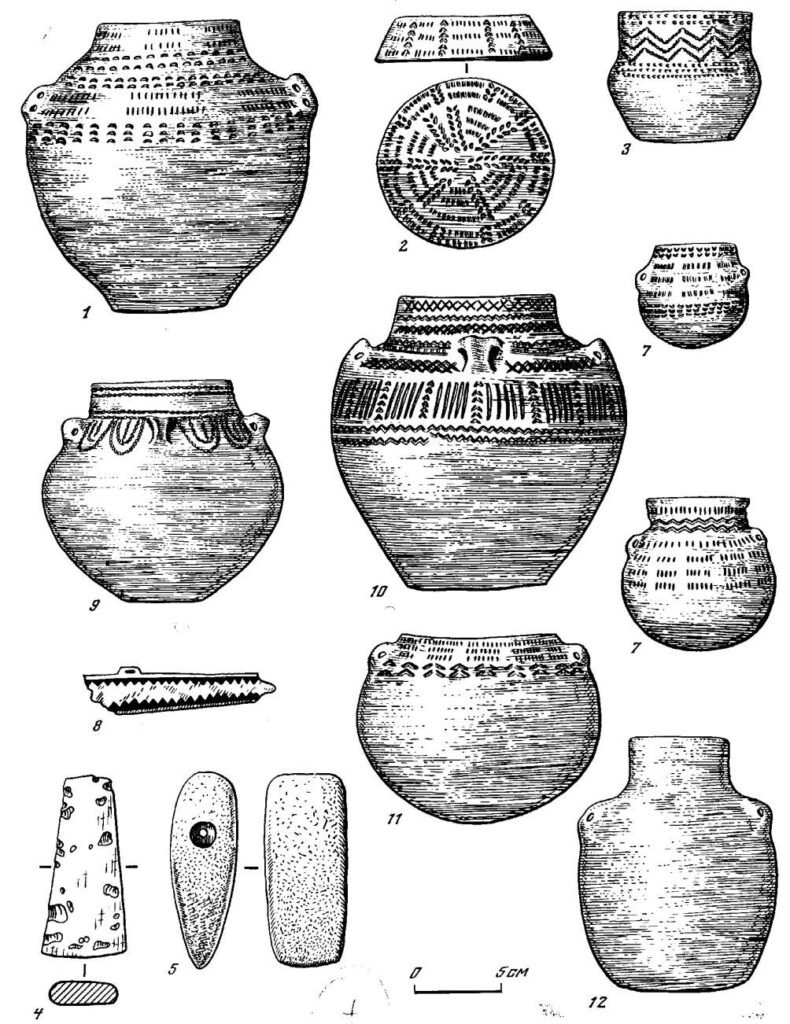
Fig. 37. Inventory of the monuments of Volyn (1-12) and Podolsky (13-25) variants of the culture of spherical amphoras.
1,8,12-Kolodyazhnoe 2, 5-7, 9-Suemtsy; 3-Old Miropol; -Kolosovka; 10 Stone Brod; 11-Kikovo; 13-Uvisla; 14, 18, 22 Long; 15-Chernavod; 16-deep; 17 Koshilov; 19, 23, 24-Koshilovetsky settlement; 20, 21-Khartonevtsy; 25-Ulaskivtsi
Caucasus and Central Asia
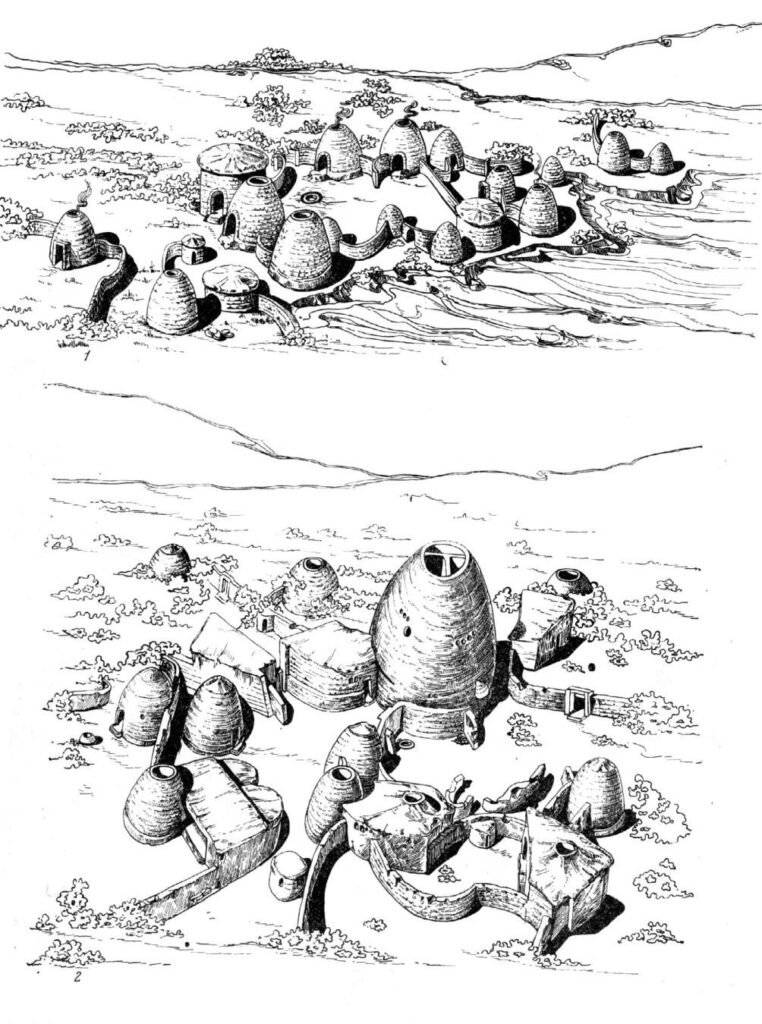
Fig. 38. Reconstruction of the excavated sites of the Shomutepe settlements (1) and Ilanlytepe (2) according to D.N. Akhundov, Caucasus

Fig. 39. Painted ceramics. middle Asia
Yalangachdepe, Middle Eneolithic
Geoxure,lateEneolithic
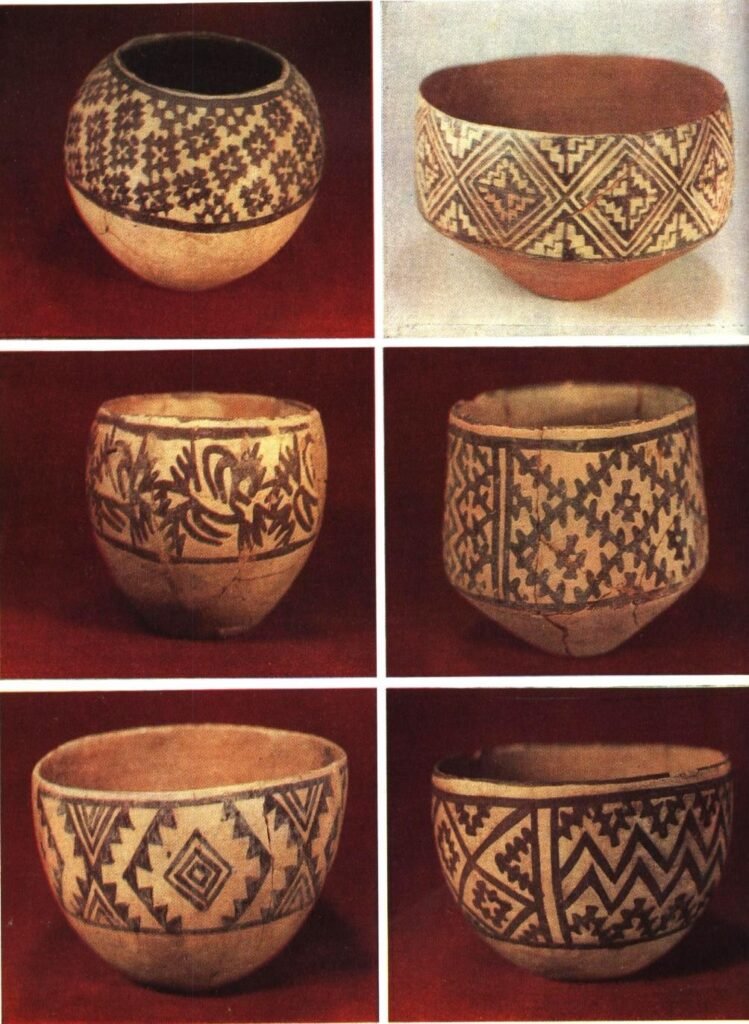
Fig. 40. Painted vessels of Late Eneolithic monuments of Central Asia (Karadepe, upper right – Altyndepe)
Lecture 3.
Cruel (class exploiting)
period of the history of society
Cultivation and cattle breeding allowed and required large stocks of grain for the winter to the primitive rural community and the preservation of livestock for the winter.
Now there is an opportunity to take away the grain of the community with the help of weapons, to take people as slaves, so that they work in the fields of others, or you can simply tax the community.
The appearance of bronze made it possible to make axes not only for cutting trees, as a result, the man began to penetrate into the depths of the forest and use the forest for a wide construction, but also battle axes, which were easy to kill a man.
This is how about 5 thousand years ago, the first wars that allow you to kill, take and make some work (who have stronger army) over others. And so it continues to this day: one exploits the other with the help of force.
From this time on, the selection of a person takes place, the appearance of a cruel person: from an ordinary person, a part turns into a barbarian who kills himself in a mass order of his own kind and is divided into those who rule (mutants) and subordinates, i.e. normal. The system is also changing: a patriarchy arises from the matriarchy of the copper age: the primacy of the male warrior and the commander.
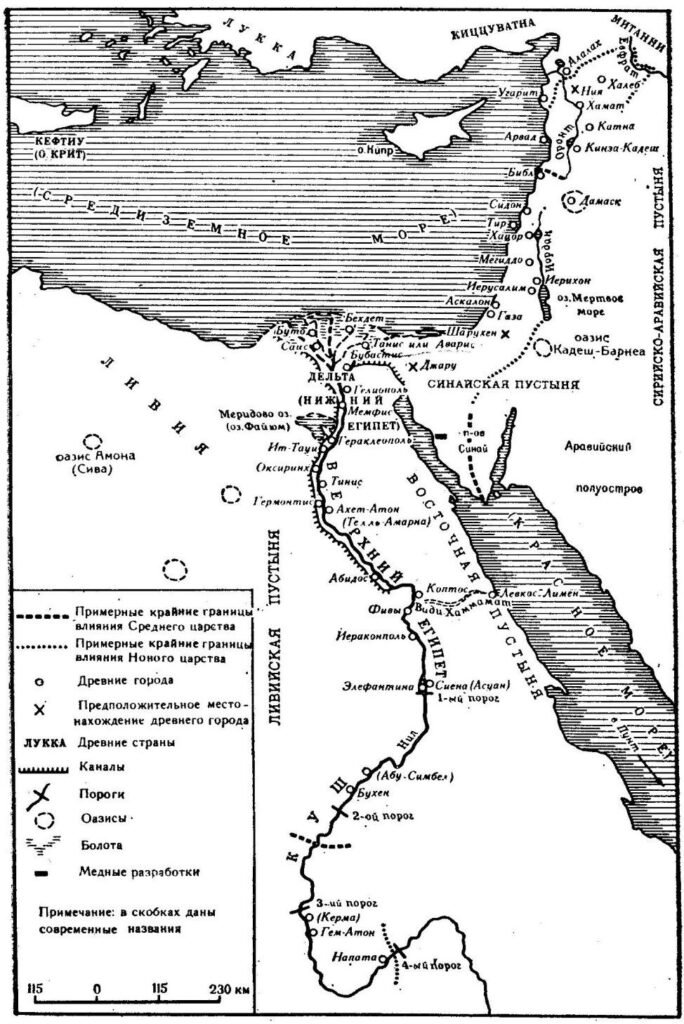
КУШ, ЛИВИЯ, ЛУККА, КИЦЦУБАТИЯ, МИТАНИЯ – древние не египетские страны:
KUSH, LIBYA, LUCCA, KITZUBATIA, MITANIA – ancient non-Egyptian countries:.
о, х – ancient cities and settlements
Fig. 41. Ancient Egypt
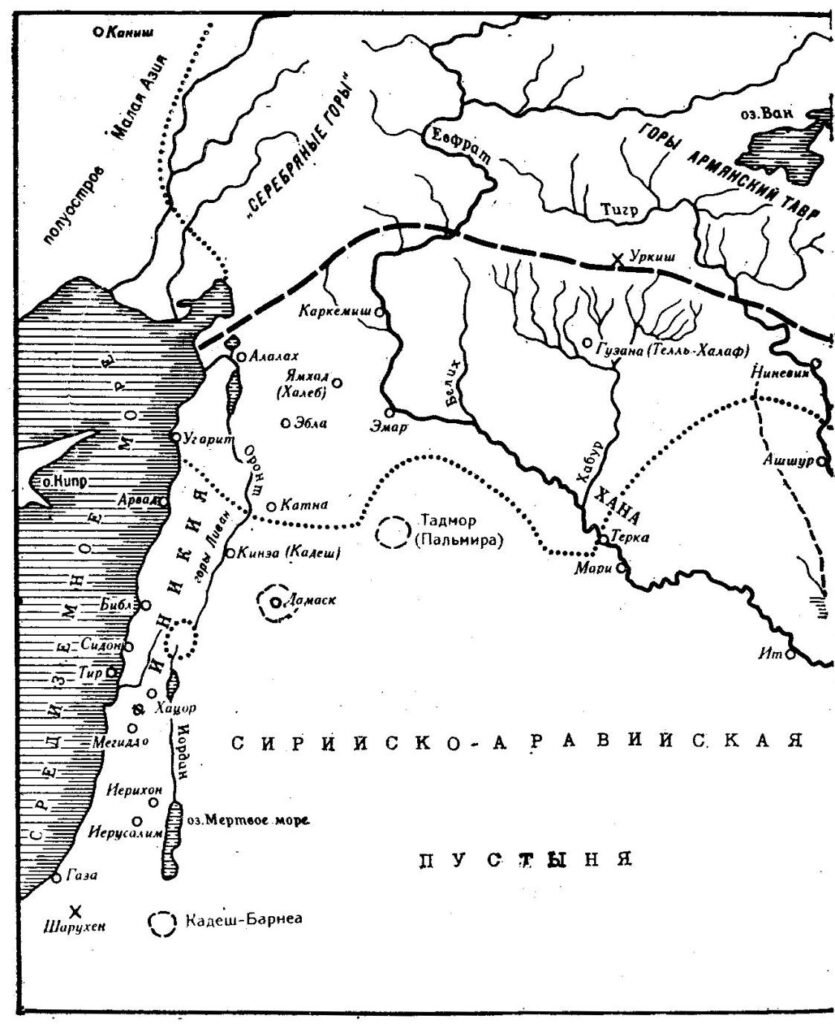
ФИНИКИЯ – FINICIA, ХАНА – HANA
Fig. 42. Ancient Mesopotamia (III – II millennium BC) (see 4, p. 467)
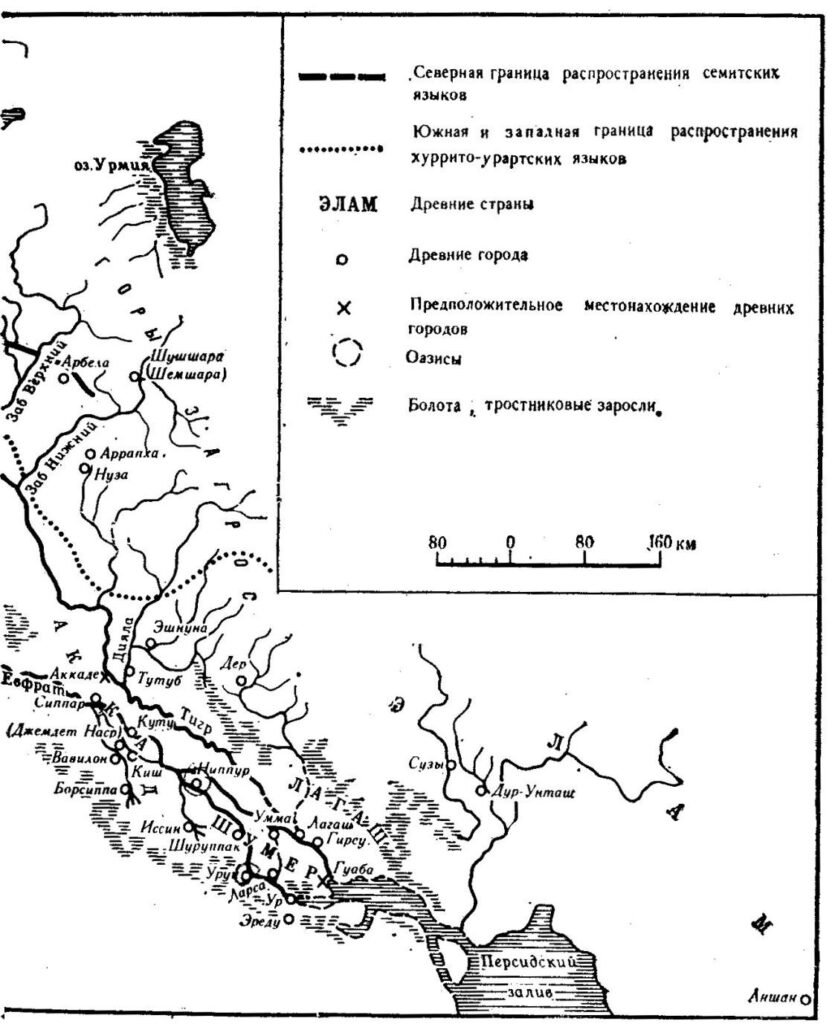
ЭЛАМ, ЛАГА, ШУМЕР, АККАД – ELAM, LAGA, SUMERIUM, ACAD
Lecture 4 Early antiquity. Bronze Age (II – III millennium BC)
Started at the beginning of 3 thousand BC. (5 thousand years ago) the epoch of bronze, which gave a lot of military weapons: spears with a bronze tip, a battle ax and a bronze knife, allowed the troops to live to capture other people’s wealth.
The population in the forest-steppe of Eurasia grew rapidly, people built carts and the great migration from Eurasia began and vice versa.
By the middle of the third millennium, Indo-Iranians of the Kuban went on their carts to the West towards the Balkans, and by the end of this millennium they reached the Balkans and settled them with the local and native
Bal-Canan culture of Tripoli type and similar language. The Achaeans and the Dorians subsequently created Ancient Greece, leaving behind the Mikken culture of the late period. The Illyrians (Albanians) and Daco-Thracians later became the outskirts of the Greek city-states, and at the end of the Bronze Age, first the Indians (Hindi) went south from the Taman Peninsula and over a thousand years came to modern India, and then the Indo-Iranians (front sights), having conquered and mingled with the local Khat peoples (Urartu), they formed a new nation (of Armenians) (1200 BC). Remaining in the steppes of the North Caucasus, Hindi in the second half of I millennium BC mingled with the Scythians and formed a new people, the Savromats (Sarmatians) in Cuba.
The steppe people settled Eurasia from the Danube to the Kuban (the Cimmerians) and from the Kuban to the Urals and the Pamirs, subsequently forming into a thousand new era, in the era of iron, formidable Scythians scouring the steppe in the nearest and furthest environs from the Danube to Altai, from Ural and the Carpathians to Palestine and Egypt. Now they have left (Alans) Ossetians, Kurds and Pashtuns.
Scythians brought a large element to the development of the Slavs: they were given a plow, a wagon and agriculture, and they called one of them “Urus” (bright). So Rusich appeared, then Kyivan Rus, and then Moscow Rus and Russians. Russians, Bulgarians, Romanians, Uzbeks and many others took the name from their conquerors.
In the Bronze Age, the Sumerian civilization, which in its essence was not aggressive, emerges in Mesopotamia, later Akkad and Egypt. On the Indian subcontinent at the beginning of the second millennium BC. in the northwestern part of it (even before the arrival of the Indo-Iranian Hindi tribes), approximately at the present border between India and Pakistan, the so-called Harapska civilization arose, which gave the world rice, tea and cotton, which they grew using irrigation facilities and water Ind. This civilization, in its essence, was also not aggressive. But then, due to internal contradictions and adverse climatic conditions, even before the arrival of Hindi, it disappeared, but their neighbors, China, Sumer and even Egypt, could recognize the cultivation of these crops.
Later (in 500–1000 years), people of the Bronze Age crossed the Atlantic Ocean (or the bronze spread across North America) and the bronze spread all the way to Central America.
In the Bronze Age, the overwhelming majority of cultures and populations perished from militant neighbors.
The forest belt of Eurasia in this epoch was rather densely populated, but there were no large settlements and especially no states, they disappeared in other places due to the outbreak of widespread wars, with the use of bronze weapons (end II – beginning of I thousand).
The Phoenicians (the eastern coast of the Mediterranean) invented a book, good ships and began to sail across the Mediterranean, instead of Minoans (Crete) who had faded into oblivion (writing. Crete) and writing, almost in a modern way: there were no vowels in letters and words.
By the 7th century BC The manifestation of the mutations of the ruling elites began: a militant Assyria was formed, and then an empire. Although before that, small states in this and neighboring regions fought each other, but these were only neighboring skirmishes.
By this time, the warrior and menacing Scythians appear, a little later the Persian kingdom appeared. From the 12th century, the era of the rule of mutants began in Eurasia in all ways: the ruling elite, striving for sinless power and wealth.
Thus, with the development of the Bronze Age and the Bronze Age, the selection of more and more cruel people and war, cruelty, greed and deception of the new class, the class of rulers began, increased with each century and reached its apogee in the twentieth century and the Second World War, which ended with massive Allied bombing. cities in Germany, dropping two nuclear bombs on the peaceful cities of Hiroshima and Nagasaki, solid bombs
Lecture 5 Ancient civilization
With the beginning of the domination of the Iron Age based on the Sumer and Minoan civilization of the Hutts, Babylon, Scythians and Persia, Greece and Rome, not only thousands of settlements and hundreds of cities along the coast of the steppes and mountains flourished and bloomed: Urartu (Caucasus) (9–6 century BC), Bactria (Central Asia) – 6 … 3 century BC, Etruria (Tuscany, Italy) – 6 … 3 century BC, Sogdia (5–2 century BC), Central Asia, Ancient Khorezm (5–3 century BC), Colchis – 6 … 3 century, Caucasian Albania (4–2 century BC), Olbia, Borisphenid (6–1 century BC), Armenia I (1st century BC), Margian (Central Asia – 4–1 century BC). And they were all based on the violence of one over the other and on the destruction of one another.
Many of these states and cultures flourished mainly in the Elinistic time, but some – before and after.
The slave system made it possible to mercilessly exploit (appropriate the fruits of labor) masses of people by slave owners, and this injustice was the main cause of the fall of this system.
Most of the ancient states died not only from the defeat of militarily stronger neighbors, as a rule, barbarians, but also from the unlimited transfer of forces and means by its Vladislavs.
The current situation in the world is very similar. Unprecedented wealth of states and people of some and terrible poverty of others almost all over the Earth. Various world and Olympic sports events are held, which are aimed at one thing: consuming, contemplating some and making money by others, instead of practicing sports, physical education, science and culture by the people themselves. This problem is especially urgent for the children of so-called developing countries, which (without China) make up 80% of the world’s population.
Football matches and the circus of modernity are very reminiscent of the gladiator battles of antiquity. Creating fashionable clothes at a cost of the total subsistence minimum during the year, hundreds of people in “poor” countries have blasphemy, and spending a few million a day by an American star or billionaire, while at least one billion people are starving in the world, there is a guarantee of death such a “Persian” order and “civilization”.
So Urartu died under the blows of the Scythians, the first empire (Assyria) from continuous wars, Persia from the enormous size and attractiveness of wealth, Greece from the overwhelm of Greek influence (from Hercules pillars to Calchis, Bactria and India), Rome, despite an outstanding contribution to science, medicine and agricultural production, from civil inequality and licentiousness of the ruling circles and the infinity of expansion: from England to Ethiopia, from Spain to the Dniester, in favor of the ruling elite and aristocracy and their immense lust.
There is practically no state, country, empire, so that the ruling circles would stop in their infinite greed, power, and lust to the detriment of the rest and the main population. And this undermines the basis of life and the economy not only of the conquered countries, but also of the conquerors themselves, since interests and, above all, economic interests of different strata diverge and the structure is destroyed by the slightest test.
Thus, any state, any civilization dies if the basic interests of the majority of its constituent structures are not observed. Contradictions up to a certain point drive progress, but from them he dies later. All this can be seen in a few examples.
If the Egyptian pharaohs did not build pyramids for themselves and very expensive tombs, then these materials and tools could have been used to build a thousand kilometers of landscaped roads and artificial irrigation systems, to arrange and develop villages, and in the cities – crafts. In addition, almost half of the most active population was diverted to construction, which was exhausted from hard work and population growth slowed down. At the first changes in climatic conditions, i.e. the fall of the level of the Nile spill, as there was no artificial irrigation and canals, Egypt was killed around 2400 BC And practically there were no more grand pyramids and temples built. If it were not for all this, maybe we would not have seen the pyramids, but then another country.
Almost the same thing happened with the Persian kingdom. All regions, countries and people paid almost all the excess value and wealth to the king and his court. And the latter spent on luxury: palaces, wealth, etc., and if roads were built, then only for the aristocracy, at least for the troops. All the remaining villages and cities were in poverty. And as we all know, it broke up after A. Macedonian’s mild blow, because if the tax goes only on the luxury of the central government, then the population doesn’t matter to whom to pay it. Therefore, it did not protect its state and the king.
If the surplus value (free income) goes only to consumption, especially to luxury or to the troops, then in such an economic system comes a crisis and a collapse.
We will continue, considering history, to try to show how the luxury and construction of gigantic non-production and non-production facilities leads to death.
Steppes of Eurasia in the Scythian-Sarmatian
time (I millennium BC)
The ancient Iranians of the Kuban Bronze Age, who in the middle of 3 thousand BC. invented a wheel and cart pulled by oxen reached Greece and assimilating the kindred local people left famous peoples: Achaeans and Forimians by the sea, Illyrians (Albanians, Macedonians) in the mountains, Daco-Thracians in the north of the Balkans to the Carpathians and Cimmerians in the Black Sea steppes.
Cimmerians who lived from the Danube to the Don from 3 thousand BC. left their small, in comparison with the Scythian burial mounds in the Dniester-Prut interfluve (Suvorovo village, Moldova – 8 burial mounds), separate burial mounds in the Snegirevsky district, Mykolaiv region (Ukraine) and near the village. Aleksandrovka, Dnipropetrovsk region (Ukraine).
In the 7th century BC they were attacked by their Scythians from under the Don. They had to surrender to the Scythians and move to another place. Greek myths claim that at the general meeting of representatives and the kings of all Kimmereans it was decided to surrender and leave for the North Caucasus. But most of the kings did not agree and killed themselves in protest. They were buried in the same mound near the Dniester. But so this mound has not yet been found.
The Scythians (Iranian language group), living at the beginning of the first millennium from the Don to the Urals, and then to the Altai, were the first to ride horses and began to move quickly throughout the Eurasian steppe and far south to Palestine.
By the middle of I millennium BC, they had a straight steel Scythian sword and a saddle for a horse to fight.
When the Greeks first saw the Scythians on a horse, they called them the centaurs (man-made).
Scythians moved almost a thousand years on the Eurasian steppe. Some of them settled in the forest-steppe and began plowing the land for the first time with a horse and a plow invented by them, which the Slavs, Thracians and other peoples and tribes around them later used.
Scythians could not create on such a large space (from the Danube to Altai) a single sustainable state, because they could not create a sustainable farming zone and city. And they were soon (2nd century BC) replaced in the Black Sea steppe Sarmatians, assimilated Scythians and Hindi, mostly Indian women (Amazons), who made raids to France and Spain.
In the second and third centuries AD. Sarmatians replaced the Goths. Gypsies still remain from the Sarmatians. Thus, the birthplace of the Gypsies is not India, but the Taman Peninsula and the Kuban, as well as Hindi India, which migrated from the Taman Peninsula to India for a thousand years in the 2nd millennium BC.
A lot of Scythian kings fought on the side outside their steppes in Assyria, and Persia, instead of guarding their steppes and further developing crafts and agriculture, which led not only to the death of many warriors, but also the hostile attitude of their neighbors against them. If they persistently built cities, developed agriculture, etc. they could also save their state from the Volga to the Danube. But now a small Ossetia remained of them, i.e. part of the agricultural area. What remains of the Sarmatians (Gypsies) we know very well.
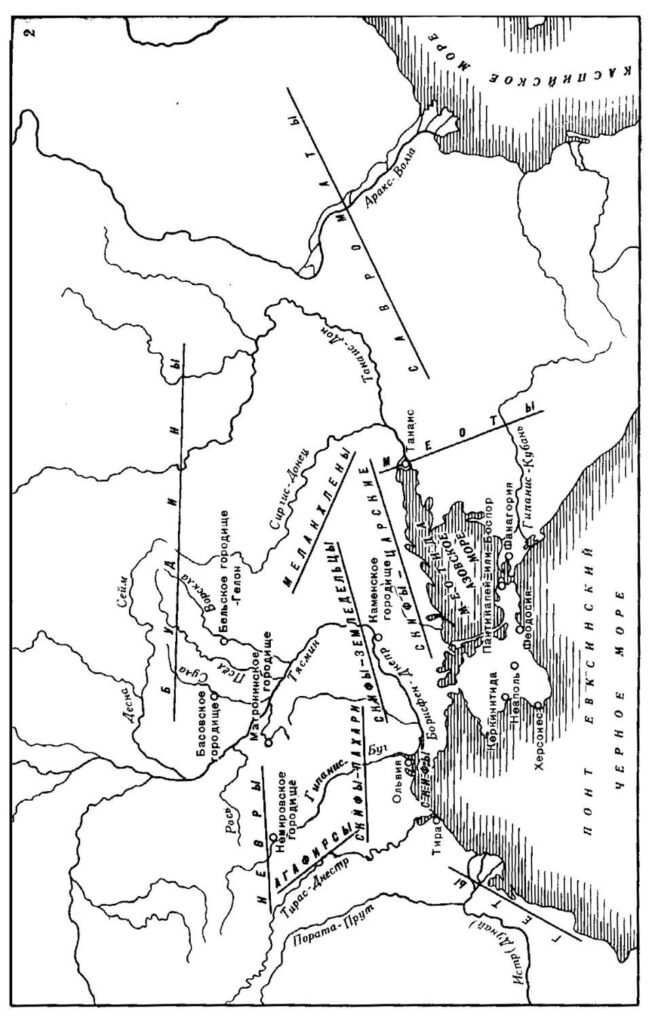
Fig. 43. Map. The distribution of the tribes called Herodotus on the modern map (according to BN Grekov)
Народы: БУДИНЫ, НЕВРЫ, МЕЛАНХЛЕНЫ, САВРОМАТЫ, МЕЛОТЫ, СКИФЫ-ЦАРСКИЕ, СКИФЫ-ЗЕМЛЕДЕЛЬЦЫ, СКИФЫ-ПАХАРИ, АГАФИРОСЫ, ГЕТЫ – Peoples: BUDINS, NEURS, MELANHLEN, SAUROMATS, CHALLENGES, Scythian-Royal, Scythian-AGRICULTURES, Scythian-PAHARI, AGAFIROSY, GETA
ПОНТ ЕВКСИНСКИЙ (ЧЕРНОЕ МОРЕ) – PONT EVKSINSKY (BLACK SEA)

Fig. 44(Рис.19) Deer, Scythian culture, Kostroma Kurgan, Kuban region, 6th century BC
Fig. 45(Рис.20) Panther, shield decoration too, Scythian culture, Kuban region, 6th century BC
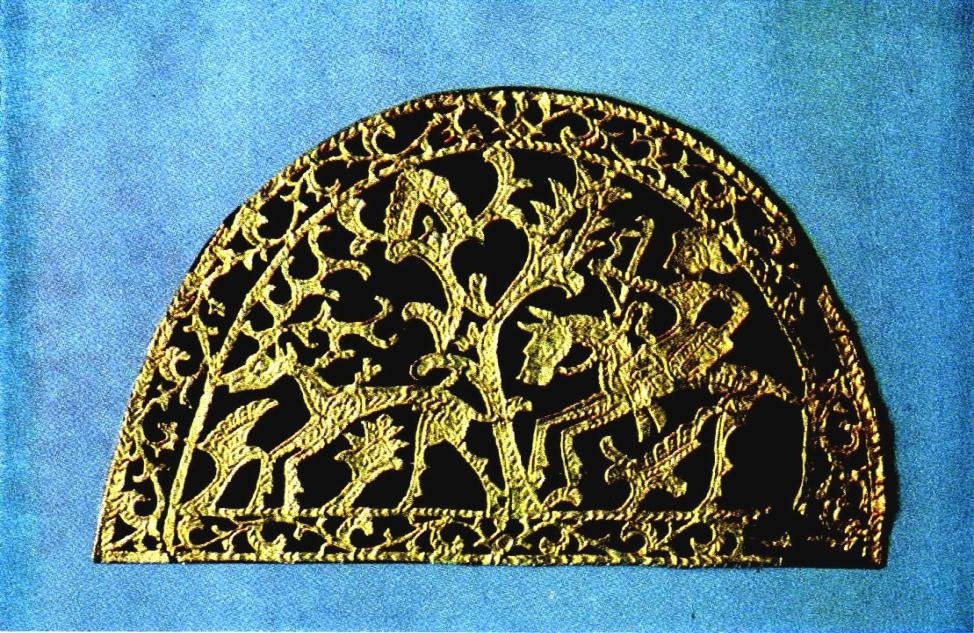
Fig. 46. Things from Scythian burial mounds
A gold plate from a horse attire from the barrow at s. Gyunovka Zaporozhe. region
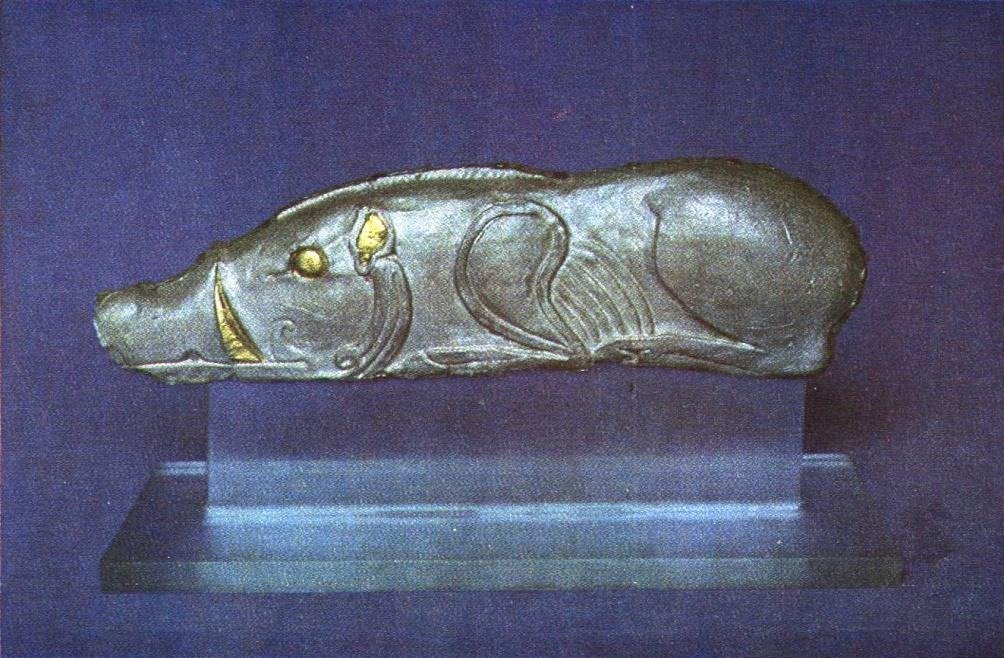
Fig. 47. The head in the form of a figure of a boar from a mound at the Hut. Ulyap (excavations of A.M. Leskov) (photo)
Lecture 6
Steppes of Eurasia in the Middle Ages
The Goths and Ostrogoths replaced the Sarmatians, who were replaced by Avars led by Attila. Then, in the Black Sea steppes, the power was taken by the Bulgars of Khan Kubrat (630–660 AD) from the east coast of the Azov Sea, which were quickly replaced by their brothers Khazars (Turks). (see fig. 24)
Part of the Bulgars went to the Transnistrian-Prut steppe (Ongol), led by Khan Isperit (Asparuhov), who founded the Balkan Bulgaria in 680, and the other part went to the Voronezh steppes (Saltovo-Mayatskaya culture) and during the Khazar distemper in the 9th century ( adoption by the Khazar Khan Bulan Judaism), went to the Volga (IX century) and founded the Volga Bulgaria, which was broken only with the third attempt of the Tatar-Mongol hordes in 1236
Despite the terrible destruction that the Tatar-Mongols brought to the country, the cities of Volga Bulgaria were quickly restored by them, and the city of Bulgar was for some time even the capital of the Golden Horde, in which the Golden Horde coins were minted, on the central square beat the fountain and here for the first time in Europe cast iron and a cast iron pot were melted.
At the beginning of the 15th century, Volga Bulgaria, which suffered several crushing blows of the young Muscovy state, ceased to exist. The Kazan Khanate with its capital in Kazan, built next to the ruined city of Bulgar, arose on its ruins. The descendants of the Volga Bulgars later formed the Türkic-speaking Chuvash people, the first on the Volga, and probably in all of Europe, who accepted the Muslim faith in the 10th century, earlier than Kievan Rus – Christianity.
And in the steppes, the Pechenegs replaced the Khazars, which were then replaced by the Polovtsy and in the 13th century by the Tatar-Mongols.
Before the Tatar-Mongol yoke was very developed Khakass state in the valley of the river Aspid, headed by the Kyrgyz dynasty of aristocrats.
Near each village there was a small fortress, some houses were under tiles and medieval Khakas not only had irrigated agriculture, but their canals went to the mountains. They had a special education and even the beginnings of a higher secular education that appeared later in Western Europe and that was religious.
Fig. 46. Things from Scythian burial mounds
A gold plate from a horse attire from the barrow at s. Gyunovka Zaporozhe. region
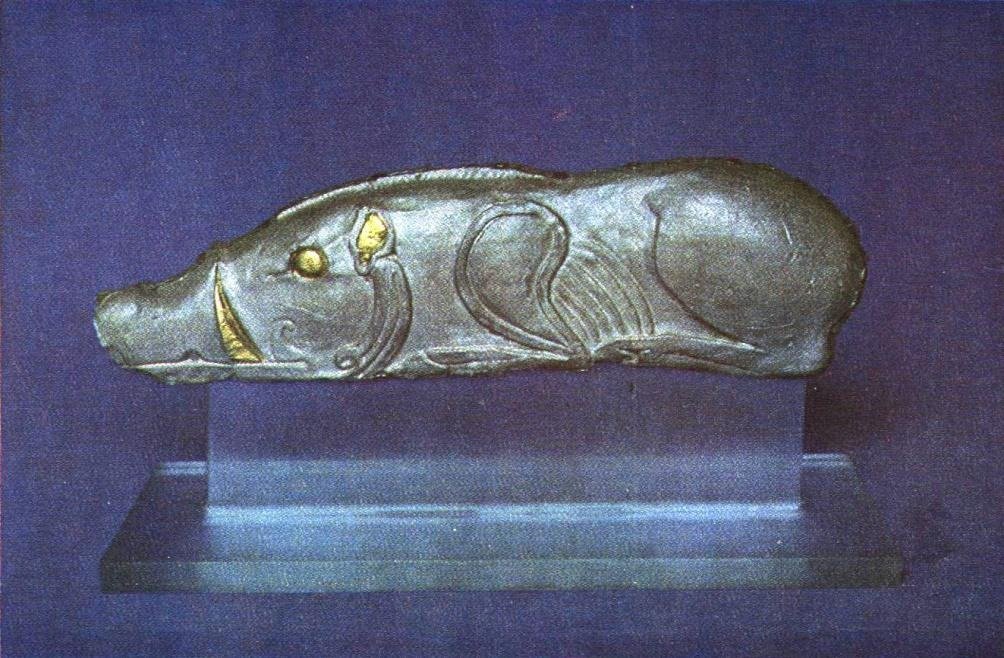
Fig. 47. The head in the form of a figure of a boar from a mound at the Hut. Ulyap (excavations of A.M. Leskov) (photo)
Lecture 6
Steppes of Eurasia in the Middle Ages
The Goths and Ostrogoths replaced the Sarmatians, who were replaced by Avars led by Attila. Then, in the Black Sea steppes, the power was taken by the Bulgars of Khan Kubrat (630–660 AD) from the east coast of the Azov Sea, which were quickly replaced by their brothers Khazars (Turks). (see fig. 24)
Part of the Bulgars went to the Transnistrian-Prut steppe (Ongol), led by Khan Isperit (Asparuhov), who founded the Balkan Bulgaria in 680, and the other part went to the Voronezh steppes (Saltovo-Mayatskaya culture) and during the Khazar distemper in the 9th century ( adoption by the Khazar Khan Bulan Judaism), went to the Volga (IX century) and founded the Volga Bulgaria, which was broken only with the third attempt of the Tatar-Mongol hordes in 1236
Despite the terrible destruction that the Tatar-Mongols brought to the country, the cities of Volga Bulgaria were quickly restored by them, and the city of Bulgar was for some time even the capital of the Golden Horde, in which the Golden Horde coins were minted, on the central square beat the fountain and here for the first time in Europe cast iron and a cast iron pot were melted.
At the beginning of the 15th century, Volga Bulgaria, which suffered several crushing blows of the young Muscovy state, ceased to exist. The Kazan Khanate with its capital in Kazan, built next to the ruined city of Bulgar, arose on its ruins. The descendants of the Volga Bulgars later formed the Türkic-speaking Chuvash people, the first on the Volga, and probably in all of Europe, who accepted the Muslim faith in the 10th century, earlier than Kievan Rus – Christianity.
And in the steppes, the Pechenegs replaced the Khazars, which were then replaced by the Polovtsy and in the 13th century by the Tatar-Mongols.
Before the Tatar-Mongol yoke was very developed Khakass state in the valley of the river Aspid, headed by the Kyrgyz dynasty of aristocrats.
Near each village there was a small fortress, some houses were under tiles and medieval Khakas not only had irrigated agriculture, but their canals went to the mountains. They had a special education and even the beginnings of a higher secular education that appeared later in Western Europe and that was religious.
In 1207 the Mongol army led by Khan Jugha invaded Khakassia and the Khakass surrendered. But when Genghis Khan demanded their participation in the actions of the Mongolian army, they refused and revolted in 1218.
Then Genghis Khan ordered the destruction of all the polls and leave only girls below the height of the whip, i.e. less than 2 years. The Khakas state was severely damaged, and in 1293 it completely ceased to exist.
Soon after the supreme Khan Khabulai, after an unsuccessful campaign against Japan led by Khan Arakhan (in 1281 almost half a million soldiers and 5,000 ships died at the Tatasima island from the tsunami) The Mongolian Empire of Genghis Khan disintegrated into dozens of states from the Danube to China.
So the story once again showed that the exorbitant ambitions of the supreme authorities, combined with unfavorable natural conditions, lead to the death of superstate (cannot be carried all the time) and the largest empire in the history of mankind (from the Danube to Japan) collapsed like a house of cards. Few people know that Genghis Khan’s birthplace is Buryatia, and Chingizids no longer rule in any country, there are hardly any direct heirs. Of the independent states remained Mongolia and Kazakhstan, of the national autonomies – Kalmykia and Buryatia.
They destroyed a lot of small but highly developed states: Kyrgyz-Khakassia, Volga Bulgaria, Georgia, Kievan Rus and others.
If they conquered only the steppes, and with their neighbors (farmers) they only traded or at least did not impose large (exorbitant) tributes, did not rob, did not destroy their neighbors, then not only the neighbors, but they themselves would have developed quite differently:
Only on the side of the Mongolian army killed at least 1 million troops, young and healthy men. And how many people died from their hands – no one has yet considered. Naturally, too, not less than one, or even three million people. Over thirty generations, as it has since passed, they could have produced about 500 million offspring.
If they captured and destroyed only the steppe peoples, but they laid a tribute and robbed nearby nations and countries: Moscow and Novgorod Russia, Balkan Bulgaria, Syria, India, Iran, Khorezm and many others, thereby delaying their development or destroying them altogether as a people and a state.
True, some peoples and states won: having weakened Russia, they enabled the expansion of medieval Lithuania, hitherto unknown people began to descend the Vlachs from the mountains of the Carpathians and heavily populate forest areas and forest-steppe southeast of the Carpathians, which later created two principalities (Wallachia and Moldova), Forming Romania, northeastern India and Iran received strong development.
ВОСТОЧНО-ТЮРСКИЙ КАГАНАТ, УЙГУРСКИЙ КАГАНАТ, ЗАПАДНОТЮРСКИЙ КАГАНАТ, КИПЧАКИ, ПЕЧЕНЕГИ, АЛАНЫ, ХАЗАРСКИЙ КАГАНАТ, ВОЛЖСКИЕ БОЛГАРЫ – EASTERN TURKISH KAGANATE, UYGUR KAGANAT, WEST TURKISH KAGANAT, KIPCHAKI, LIVER, ALANI, KHAZAR KAGANAT, VOLGA BULGARIANS
Fig. 48 Steppes in the VIII-beginning of the X century.
In 1207 the Mongol army led by Khan Jugha invaded Khakassia and the Khakass surrendered. But when Genghis Khan demanded their participation in the actions of the Mongolian army, they refused and revolted in 1218.
Then Genghis Khan ordered the destruction of all the polls and leave only girls below the height of the whip, i.e. less than 2 years. The Khakas state was severely damaged, and in 1293 it completely ceased to exist.
Soon after the supreme Khan Khabulai, after an unsuccessful campaign against Japan led by Khan Arakhan (in 1281 almost half a million soldiers and 5,000 ships died at the Tatasima island from the tsunami) The Mongolian Empire of Genghis Khan disintegrated into dozens of states from the Danube to China.
So the story once again showed that the exorbitant ambitions of the supreme authorities, combined with unfavorable natural conditions, lead to the death of superstate (cannot be carried all the time) and the largest empire in the history of mankind (from the Danube to Japan) collapsed like a house of cards. Few people know that Genghis Khan’s birthplace is Buryatia, and Chingizids no longer rule in any country, there are hardly any direct heirs. Of the independent states remained Mongolia and Kazakhstan, of the national autonomies – Kalmykia and Buryatia.
They destroyed a lot of small but highly developed states: Kyrgyz-Khakassia, Volga Bulgaria, Georgia, Kievan Rus and others.

If they conquered only the steppes, and with their neighbors (farmers) they only traded or at least did not impose large (exorbitant) tributes, did not rob, did not destroy their neighbors, then not only the neighbors, but they themselves would have developed quite differently:
Only on the side of the Mongolian army killed at least 1 million troops, young and healthy men. And how many people died from their hands – no one has yet considered. Naturally, too, not less than one, or even three million people. Over thirty generations, as it has since passed, they could have produced about 500 million offspring.
If they captured and destroyed only the steppe peoples, but they laid a tribute and robbed nearby nations and countries: Moscow and Novgorod Russia, Balkan Bulgaria, Syria, India, Iran, Khorezm and many others, thereby delaying their development or destroying them altogether as a people and a state.
True, some peoples and states won: having weakened Russia, they enabled the expansion of medieval Lithuania, hitherto unknown people began to descend the Vlachs from the mountains of the Carpathians and heavily populate forest areas and forest-steppe southeast of the Carpathians, which later created two principalities (Wallachia and Moldova), Forming Romania, northeastern India and Iran received strong development.
ВОСТОЧНО-ТЮРСКИЙ КАГАНАТ, УЙГУРСКИЙ КАГАНАТ, ЗАПАДНОТЮРСКИЙ КАГАНАТ, КИПЧАКИ, ПЕЧЕНЕГИ, АЛАНЫ, ХАЗАРСКИЙ КАГАНАТ, ВОЛЖСКИЕ БОЛГАРЫ – EASTERN TURKISH KAGANATE, UYGUR KAGANAT, WEST TURKISH KAGANAT, KIPCHAKI, LIVER, ALANI, KHAZAR KAGANAT, VOLGA BULGARIANS
Fig. 48 Steppes in the VIII-beginning of the X century.
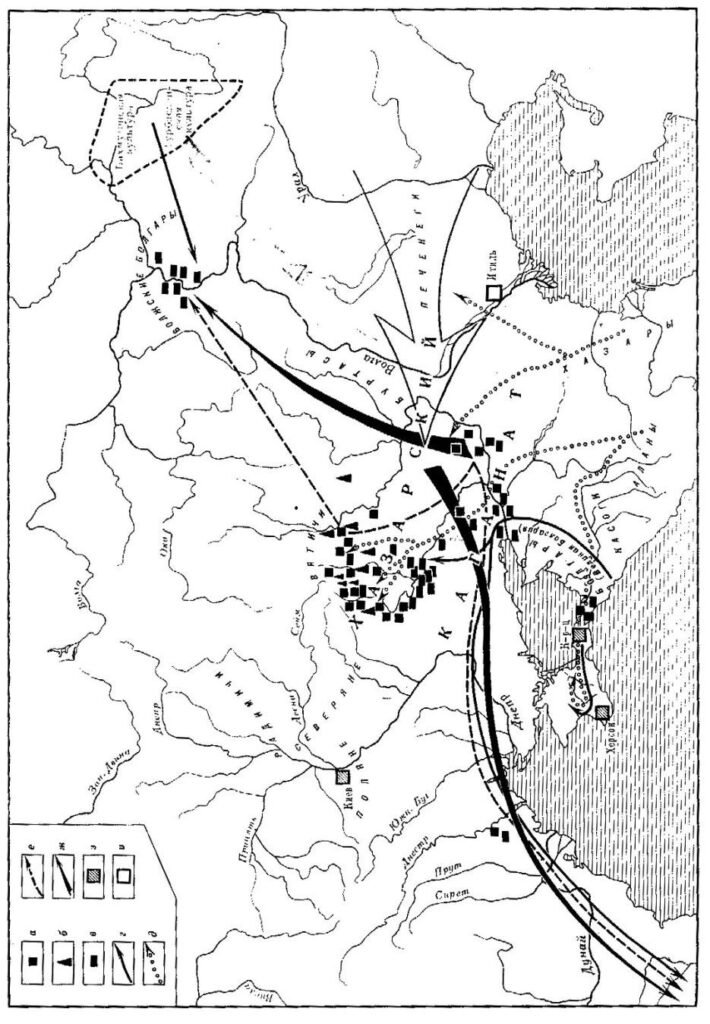
Дунай, Сирет, Прут, Днестр, Южный Буг, Днепр – реки, Danube, Siret, Prut, Dniester, Southern Bug, Dnieper – rivers
ХАЗАРЫ, АЛАНЫ, КАСОГИ, БОЛГАРЫ, БУРГАСЫ, ВЯТИЧИ, СЕВЕРЯНЕ, ПОЛЯНЕ – народы подчиненные Хазарскому Каганату – THE KHAZARS, ALANS, KASOGS, BULGARS, BURGASES, VYATICHI, NORTHERN, POLYANA – peoples subordinate to the Khazar Kaganate.
Fig. 49 Historical map of the Khazar Kaganate
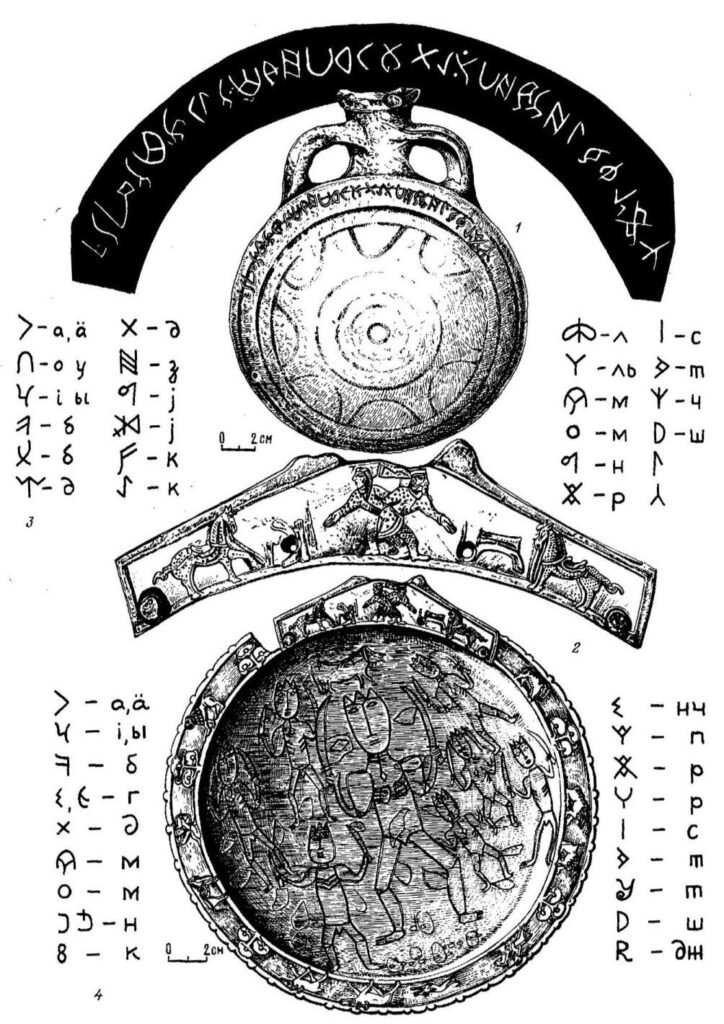

Fig. 51. Monuments of Yenisei writing. Steles with epitaphs and boundary inscriptions, inscriptions on rocks and individual items of the 9th-10th centuries.

Fig. 52. Uygur fortifications in Tuva (VII-IX centuries)

Fig. 53. Bulgar and Bilyar – the cities of Volga Bulgaria
Lecture 7.
Eastern Slavs in the Middle Ages
The ancestral home of all Slavs, like all Europeans, is the Balkans. After warming, from 12 millennium BC, the Balkans settled east through forest-steppe lands (Indo-Iranians) to the Urals and almost to Altai (Scythians), meeting on their way people from the Urals (Finno-Ugric peoples) at the end of the ninth and early tenth centuries. representatives of which (Hungarians) settled first Bug, and then the current Hungary. Before the advent of the Slavs, the Finno-Ugrians settled the entire forest area from the Urals to the Gulf of Finland.
Then, from the end of the 6th century, the Slavs began to diverge from the Carpathians in all directions from them. The natives of the Carpathians are the Balts (Lithuania, Prussians, Livs, Latgalles, and others), the Celts, the Gauls and the Goths (who made up the Anglo-Saxon group of peoples). And now the Balts (Lithuanians and Latvians) and the Germans are the closest relatives of the Slavs by language (see fig. 42)
At the end of VII and the beginning of the 8th century, Slavs from Polesye came to Lake Ilmen, which soon formed the first two northeastern Slavic tribes: Sklavins to the east of the lake, Krivichi – to the south of it. Gradually over the 8–9th century, they settled the land to the Northern Dvina, and to the east – to Murom. The main factor contributing to the settlement of the north of Eastern Europe by the Slavs was the occupation by agriculture, which the Ugrians did not engage in (or did little) in these forest areas.
Italy, Latin, and other nations settled in Italy from the Balkans (up to the 3rd millennium BC).
Only the Basques of Spain have a language related to one of the East Caucasian (Khat) or Kartvelian languages, which is a very interesting fact from a scientific point of view. How and when did they get from the Caucasus to Spain? Or maybe they are descendants of the Solutreans, who lived here before the Ice Age? If this is so, then before icing Western Europe, and therefore the whole of Europe, was settled by immigrants from the Caucasus and Europeans came to Europe only after icing.
A strong influence on the Eastern Slavs, Rus (Ukrainians), had Scythians. They received from the Scythians not only a horse, agriculture and many crafts, but also their first name.
Northern Slavs: Krivichi (Belarusians) and Sklavins (Russians), assimilating local Ugrians, took not only their white hair, but also many fairy tales and songs (about a mermaid, etc.)
Now it is very fashionable to restore temples and churches. It seems that in Russia, especially for Smolensk citizens (residents of Smolensk), the restoration of an old Russian church (the Church of Archangel Michael, XII century, Smolensk) (see fig. 32) should become an important matter in restoring its roots.
This church was built in the true old Russian style. If all the churches of Kiev and Chernigov bear the seal (influence) of Byzantine and Caucasian style in the architecture of Orthodox churches and temples, in Novgorod (even the church on the Nerl River) is influenced by Western and Caucasian architecture (including the Savior’s Cathedral in Moscow), then the church Michael in Smolensk was truly Russian style, and an outstanding work.
The absolutely ideal proportion of architectural components in height and length makes it a model for achieving harmony not only in ancient, but also in modern architecture. Therefore, it is a masterpiece of not only ancient, but also world architecture. Such an ideal proportion in height and length cannot be found in any cultural building in the history of mankind. As for the Siena and Italy Cathedral of the Duomo is a symbol of the ideal Gothic architecture of the whole West, so for Smolensk and Russia, the restoration of the Church of the Archangel Michael in Smolensk should become a symbol of the restoration of its roots and the ideal of ancient Orthodox architecture.
The same can be said of the outstanding commander of Eastern Slavs, Kiev prince Svyatoslav, who defeated the Volga Bulgars, descended the Volga and defeated the Khazars directly in their capital (Itil). Then he moved the boats to the Don and sailed to the mouth of the Danube in 859 and there with his 40 thousand troops defeated 20 thousand troops of Balkan Bulgaria and decided to build the capital of all Slavs at the confluence of the Siret River (Romania).
Undoubtedly, this was a grandiose plan and maybe it was even realized, at least in part. But here too, the great rulers make a mistake. He decided to seize Constantinople and defeat the Byzantine Empire, which of course he failed.
As a result, he died, the first Bulgarian state died, which gave the world the fourth sacred script, and Kievan Rus weakened, and turned its eyes to the North.

Fig. 54. Eastern Europe in the V-VII centuries.
a) area of culture of Prague-Korchak ceramics
b) the area of culture of the Prague-Penkovsky type
c) antiquities of the Kolochin type
d) Tushemly-Banzer culture d) moshchan culture
f) culture of early long kurgans
g) hill culture, h) settling of the summer-Yatvyazh tribes
i) resettlement of the Finno-Ugric tribes

РДВА,МАРИ, МЕРЯ, КРИВИЧИ, ЛИТВА, ПРУССЫ,ЯТВЯГИ, ЖМУДБ, КУРШИ, ЗЕМГАЛЫ, ЛАТГАЛЫ, КРИВИЧИ ПСКОВСКИЕ, СЛОВЕНЫ, ЭСТЫ(чудь), ВОДЬ, ИЖОРЫ, ВЕСЬ, ЧУДЬ ЗАВОЛОЖСКАЯ, КОРЕЛА, ЕМЬ, СУМЬ –
Nations: Bulgaria, Vlachs, Tivertsy, Croatia, convict, Polovtzy northerners glade drevlyans, VOLYNSNE, MAZOVSHANE, Dregovichi, Radimichi vyatichi, Mordovians, MARIE, Meria, Krivich, Lithuania, Prussia, Yatvingians, ZHMUDB, Kurshev, Zemgale, LATGALS, PSKOVSKY KRAVICHI, SLOVENIA, ESTA (chud), WATER, IZHORA, ALL, MIRACLE ZAVOZHOSKAYA, KORELA, I AM, SUM.
Fig. 56. Objects and objects of pagan worship
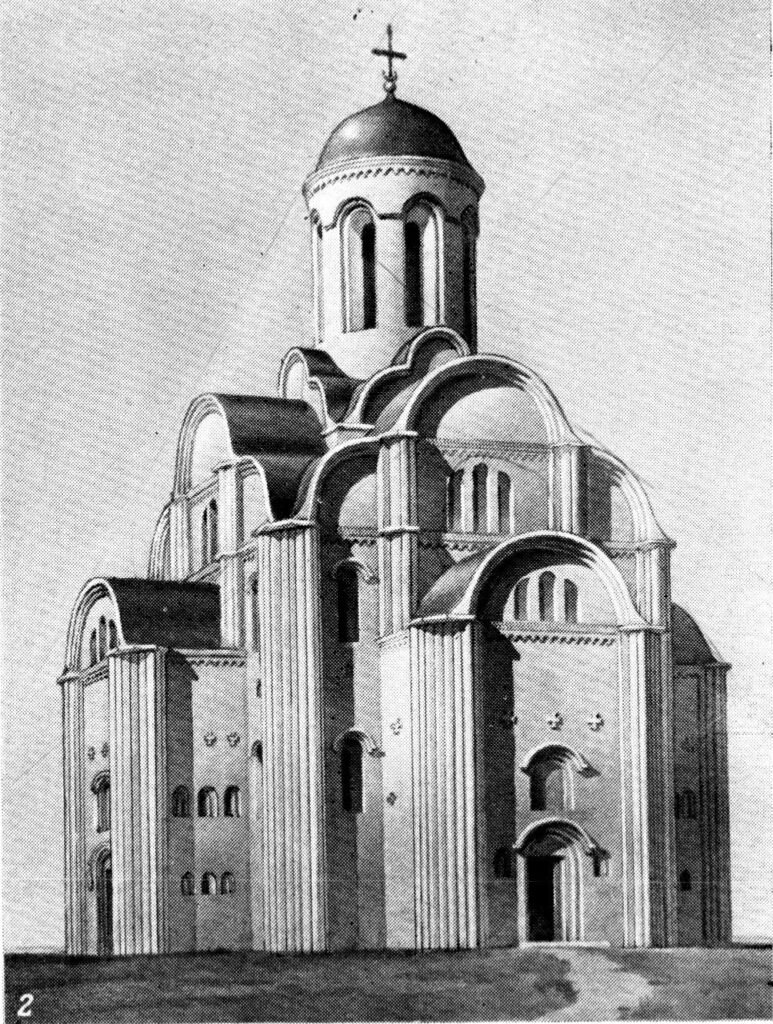
Fig. 57. A masterpiece of ancient Russian and world culture and architecture. Smolensk, the Church of the Archangel Michael, the end of XII
Lecture 8.
Other examples of natural economic laws in the history of society
Let us consider some more examples of the amazing rise of the economy, material and spiritual culture and the reasons for their even sharper fall.
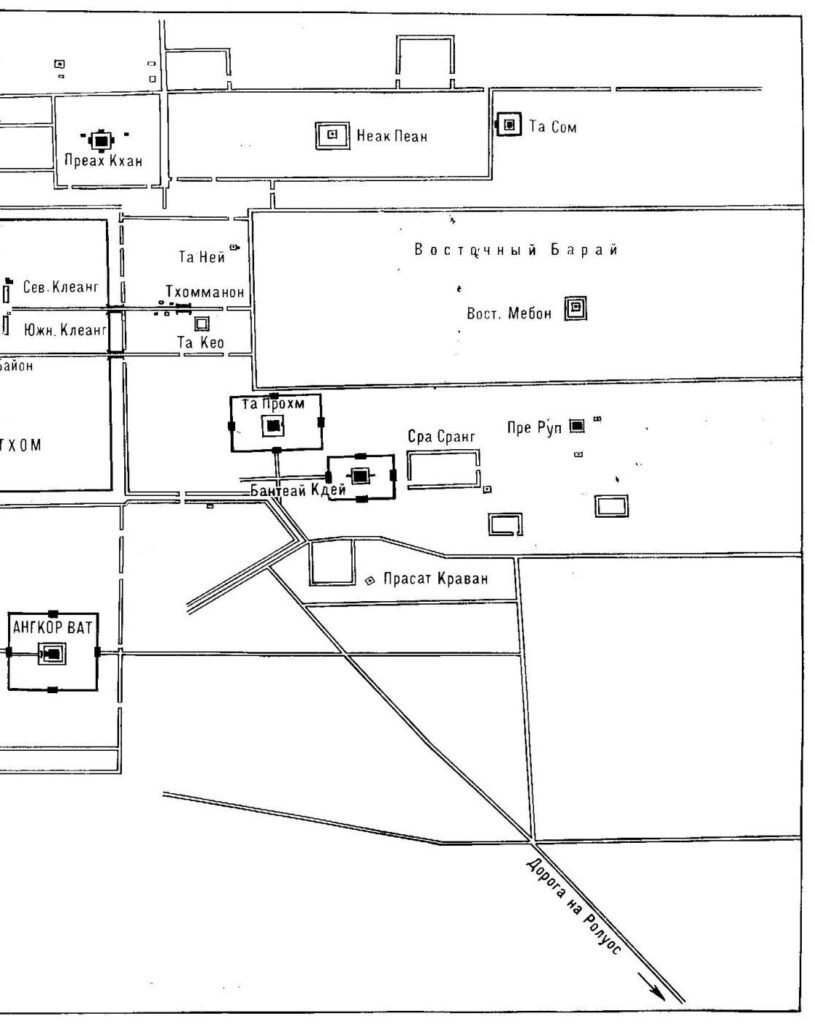
One of the wonders of the world can be considered the rise of the Khemer material culture in the Middle Ages (11-13 centuries) in Kampuchea. In just over a hundred years, about 400 (four hundred) architectural ensembles and Angkor Wat, as its highest achievement, were created here. All ensembles are grand, and the last one is 400 x 600 meters (about 250 thousand square meters). And the whole Angor-Wat occupies 1 million m2 (100 hectares), i.e. 1 x 1 km (see Fig. 34), the highest altitude is 65 m, and the whole group of Angora monuments is 20×30 km (see Fig. 36).
These were the ensembles in which the kings and nobles lived and celebrated spiritual holidays with all the people. By the number of architectural structures per 1 square. km this place has no equal in the world (see fig. 36), and by the number of bas-reliefs and sculptures in one ensemble too. According to the author, Angor-Wat and other ensembles are part of one of the seven accepted wonders of the world, in fact – it is one of the first.
Then, in the 9–13 century, the Khmer was at the head of the Angora Empire, which united almost all of Southeast Asia (the Indo-Chinese Peninsula). The flow of huge funds from taxes allowed us to build dozens of magnificent architectural ensembles in the central part of the country.
When individual peoples and countries of Southeast Asia managed to free themselves from the central government for various reasons or were seized by other countries, the flow of funds almost dried up and the central government not only failed to build something new, but also to keep the old one.
The power perished, the state disappeared and in six centuries the jungle swallowed up all the buildings.
All this happened because the funds were collected at the expense of other countries and nations and almost all were spent on spiritual construction, but the infrastructure of material production and life support of people was developing poorly. And for the Khmer people – it was a waste of money and he fell after that into the medieval denseness.
Another example is the First Bulgarian Kingdom. Being close to a developing huge and strong not only militarily, but most importantly – economically and politically, by the Byzantine Empire, the Slavic kings of ancient Bulgaria took a course towards the unification of all Slavs throughout the Balkan Peninsula. And it had some success.
Basically, the Bulgarian Khans were the first to use weapons, and then the Bulgarian kings united and subjugated huge spaces: from Hungary that had just appeared on this territory to the Pechenegs between the Dniester and the Bug, and in the south, during the time of the Tsar Seven, from Albania to Solonniki on the Aegean Sea . Bulgaria became a country of three seas: the Black, Aegean and Adriatic, having selected a part of the territory where the Slavs lived, even from Byzantium, they had a script (the fourth sacred after Aramaic), Greek and Latin.
But this was not enough for Tsar Semion and in 916 he attacks the city of Constantinople, Constantinople, now Istanbul, the capital of the Byzantine Empire.
Not having enough siege engines and no fleet, he could not take it. All winter, the king was preparing for the next campaign, but in the spring of 917 he suddenly dies of a heart attack. Byzantium bribes all the boyars and the son of the king, and she returns the conquered lands, even those in which the Slavs live.
Thus, Tsar Simeon objectively being progressive in uniting all Balkan Slavs, instead of developing such a state and strengthening it, he, King Semion, wanted the unattainable: to become the emperor of the Byzantine Empire.
After 50 years, the Byzantine Empire took advantage of a convenient and deceptive case (Bulgaria misses it for a battle with Svyatoslav, who wanted to defeat Constantinople and the capital of all Slavs to build on the Siret River 10 km from the Danube) to defeat the 1st Bulgarian kingdom.
Having defeated Svyatoslav under the Danube, Byzantium destroys in turn all the major cities of Bulgaria, including the capital of medieval Bulgaria, Velikiy Preslav. Bulgaria is losing its independence and most of the territory until today.
So the birthplace of the first Slavic Christians and the Slavic written language (Cyrillic) (which was developed by the disciples of Bishop Cyril and Methodius, Clement of Ohrid and Naum Rilski) ceased to develop dynamically due to ambitions and
the whims of one person, and the Balkan Slavs, who speak almost the same language, write in the same letter, pray the same God the same, have the same holidays, are still divided, and at the whim of the current ambitions of their leaders will not serve the wrong people for a long time.
The same can be said about Svyatoslav. Rightly considering the mouth of the Danube as the center of the Slavs, at the same time he set himself an exorbitant goal: to unite all the Slavs under his command (X century).
The territory of the Slavs was too large and diverse, and included a non-Slavic element: in the north and east – the Ugrians, in the north-west – the Balts, in the south – the Turks, in the center of the Slavs appeared in 901, the Magyars (Hungarians), in the Eastern Carpathians Sheep grazed and the Romanesque population grew (Vlachs, some of whom later became Moldovans).
He had to conclude treaties with the surrounding non-Slavic nobles and states and slowly unite the Slavs. Thus, having practically destroyed the Khazar Khaganate, who could no longer restrain the Pechenegs, he gave the latter to completely conquer the steppes of the Northern Black Sea region and become its murderers.
And the attack on the Byzantine Empire destroyed both him and Balkan Bulgaria. On the way back from the Danube, on the Zaporizhia rapids, the Pechenegs attacked the remnants of Svyatoslav’s troops and began to destroy the whole army with arrows. Killed including Svyatoslav. Then, almost 300 years old, at the most solemn events, the Byzantine emperors drank wine from Svyatoslav’s skull, framed in gold.
The same can be said from the history and the Russian state. When the father of Ivan the Terrible (Ivan III) conquered Novgorod at the end of the 15th century, he thereby created Russia from the Moscow state, uniting it in one center. But Ivan the Terrible brought the central power to the point of absurdity, destroying state institutions and replacing them with its sole and cruel power. After his death, the Russian state was very weak and even the Rzeczpospolita (Poland) conquered Moscow, annexed the Baltics and most of Ukraine.
The insatiable desire of the Russian tsars for the unlimited expansion of the borders of the Russian Empire led to its swelling, weakening of economic ties between its individual border regions, infringement of the interests of the neighboring powers, and increased resistance of the world powers.
The empire did not need to include Central Asia, Transcaucasia, Bessarabia and the Baltic states, and the struggle for Korea and the Bosphorus destroyed it.
It was necessary not to conquer, but to leave independent and friendly (puppet as a last resort) states, Korea, China, Tajikistan, Uzbekistan, Kyrgyzstan, Turkmenistan, Armenia, Georgia, etc.
It was necessary not to conquer Azerbaijan, to leave it independent, but to fight for the creation of a large and friendly Armenia, not to join Bessarabia, but to create friendly Romania and Bulgaria, then Turkey would be friendly, if not strive to seize the Bosporus.
Almost the same mistakes and the Soviet empire (USSR).
We see that all this led to the collapse of all these empires, because: the larger the empire, the less the connection of the suburbs with their center and the more the suburbs to the other centers.
Likewise, even now, there can be a union (commonwealth) only between four countries: Russia, Belarus, Ukraine, and Kazakhstan. All other countries have stronger roots and connections in a different direction, as writer A. Solzhenitsyn wrote before the creation of the CIS.
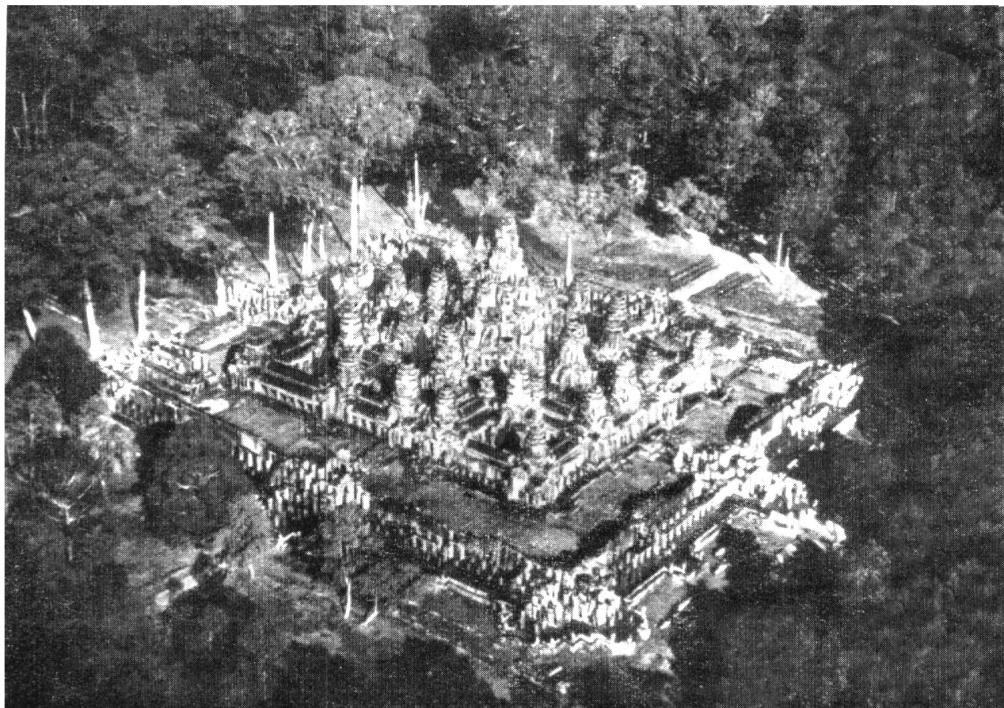
Fig. 59. The Ensemble of Angkor Wat. View from Phnom Bakheng

Fig. 60. ANGKOR-BAT. 1113-1152 General view of the temple with tens of thousands of reliefs, jungles and Kampuchea (photo)
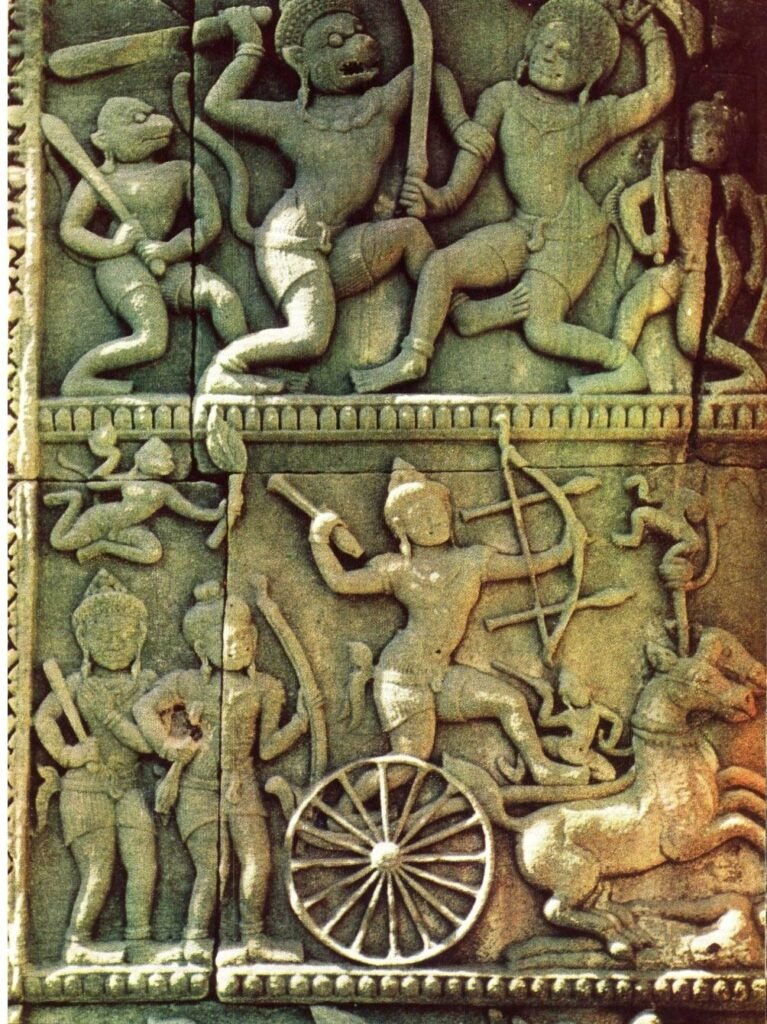
Fig. 61. Baphuon. Reliefs of the second floor
Fig. 62. Location of the main monuments of the Angkor area
c
Fig. 63. Angkor Wat. Reliefs of the gallery of the second floor. Apsaras

ig. 63. Angkor Wat. Reliefs of the gallery of the second floor. Apsaras
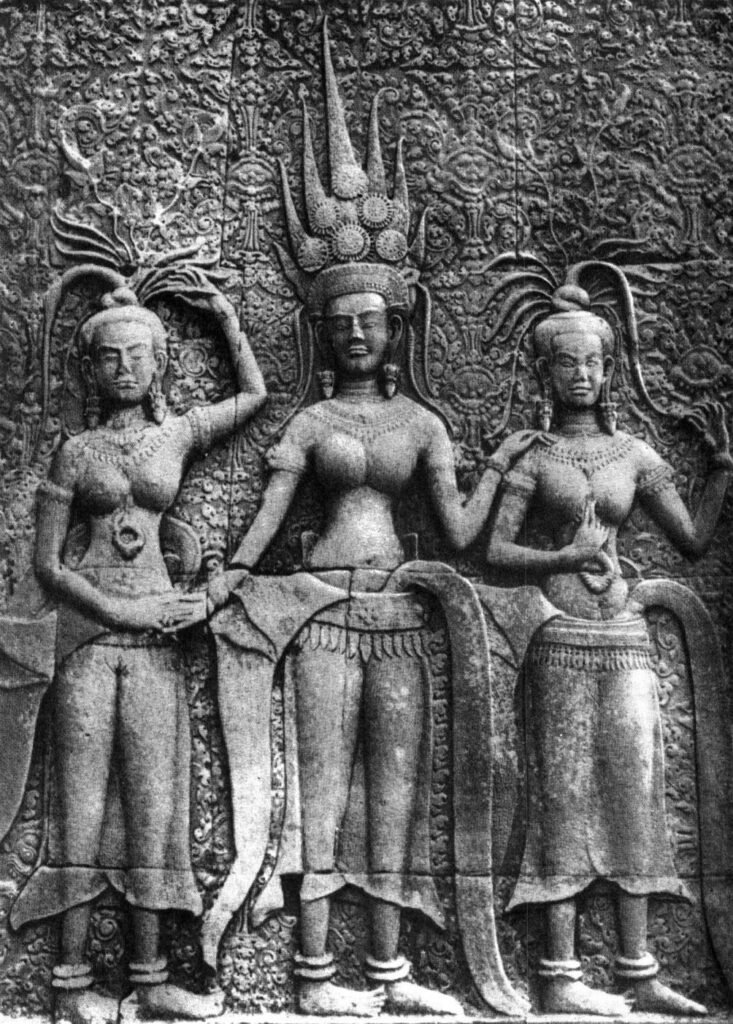
Fig. 64. Angkor Wat. Reliefs of the gallery of the second floor. Apsaras

Fig. 65. Banteay Srey. “Library”
Fig. 66. Banteay Srey. Patio. Monkey guardian
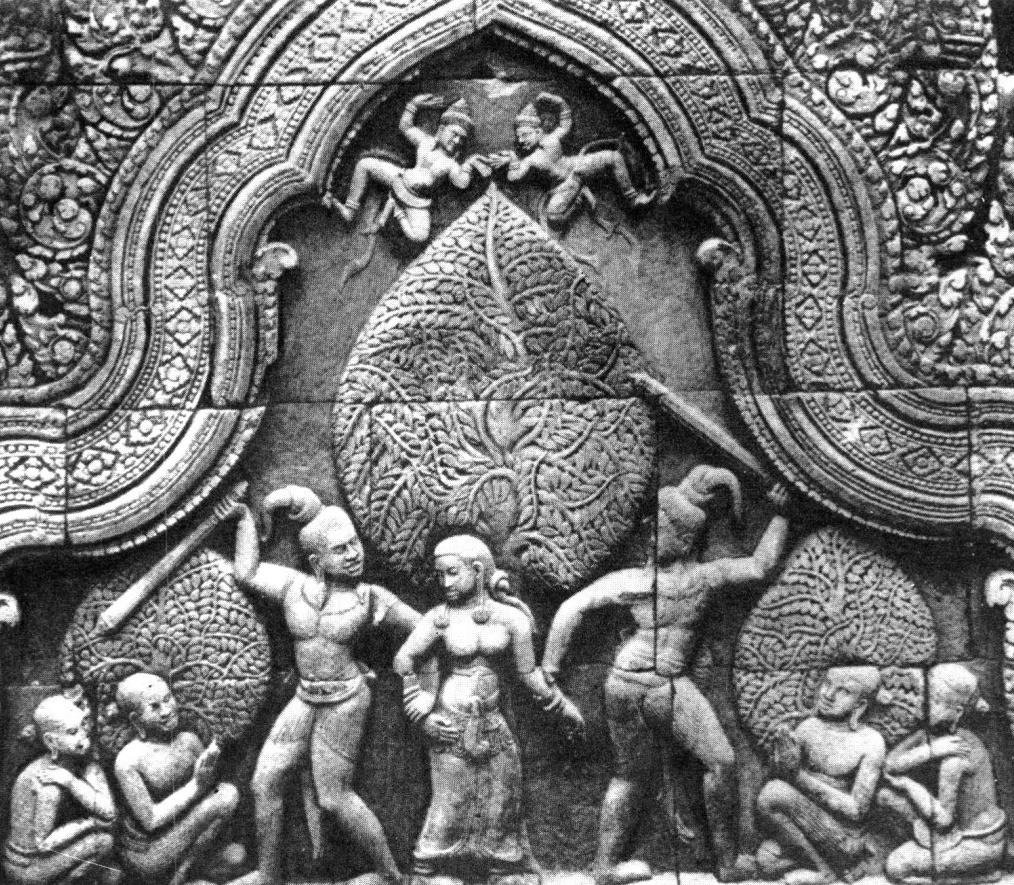
Fig. 67. Banteay Srey. Pediment of the central temple, Kampuchea

ig. 68. The relief on the rock really makes a strong impression.
Not far from the fortress there is a relief of the “Madara Horseman” on the rock, which is a unique monument of the Bulgarian cultural heritage and the only relief in Europe of this species. Carved on the majestic Madara rocks, it is clearly visible from afar. Experts have not yet been able to reveal the very secret of its origin. Bulgaria, VIII century

Fig. 69. Bayon. The relief of the inner gallery. Entertainment Apsar
Fig. 70
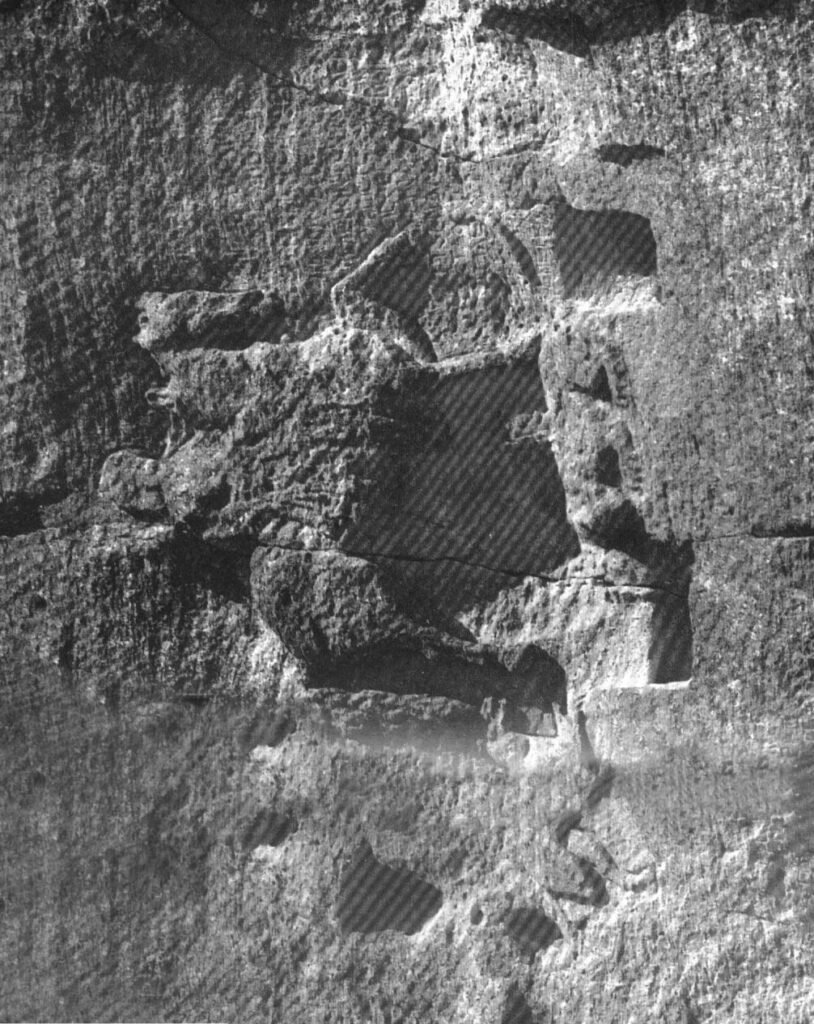
Fig. 71. The relief on the rock really makes a strong impression.
Not far from the fortress there is a relief of the “Madara Horseman” on the rock,
which is a unique monument of the Bulgarian cultural heritage and the only relief
in Europe of this species. Carved on the majestic Madara rocks, it is clearly visible
from afar. Experts have not yet been able to reveal the very secret of its origin.
Bulgaria, VIII century
Fig. 72. Great Basilica in Pliska, Bulgaria (9th century).
It is the most impressive medieval church in Bulgaria and on the Balk
an Peninsula (length 99 m, width 29.50 m). It is located 45 km north-east
of the eastern gate of the Inner City, with which it is connected by a
road lined with rough stone blocks. The monastery church. It is suggested
that it is one of the seven cathedral churches built in the country by Prince Boris 1.
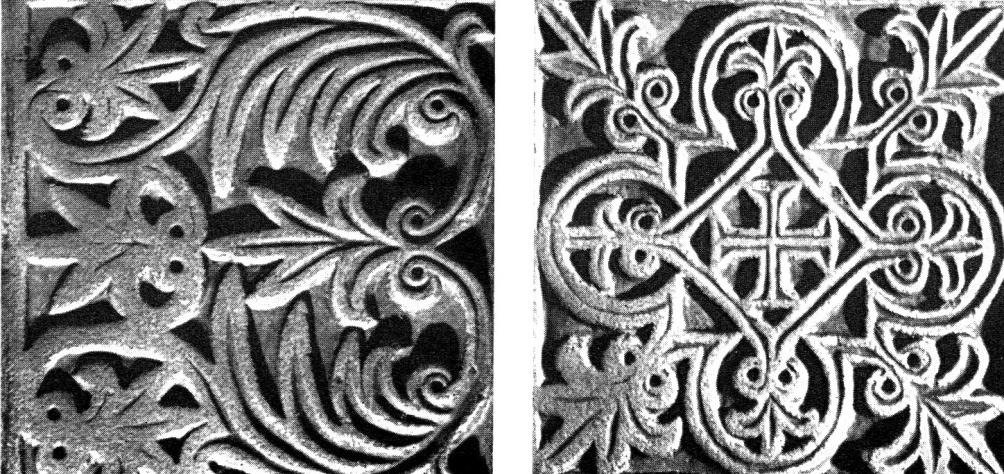
Fig. 73. One of the types of ornament in the basilica. Veliki Preslav,
Bulgaria (IX century)
Fig. 74. Ruins of a palace in Great Preslav, IX century, Bulgaria
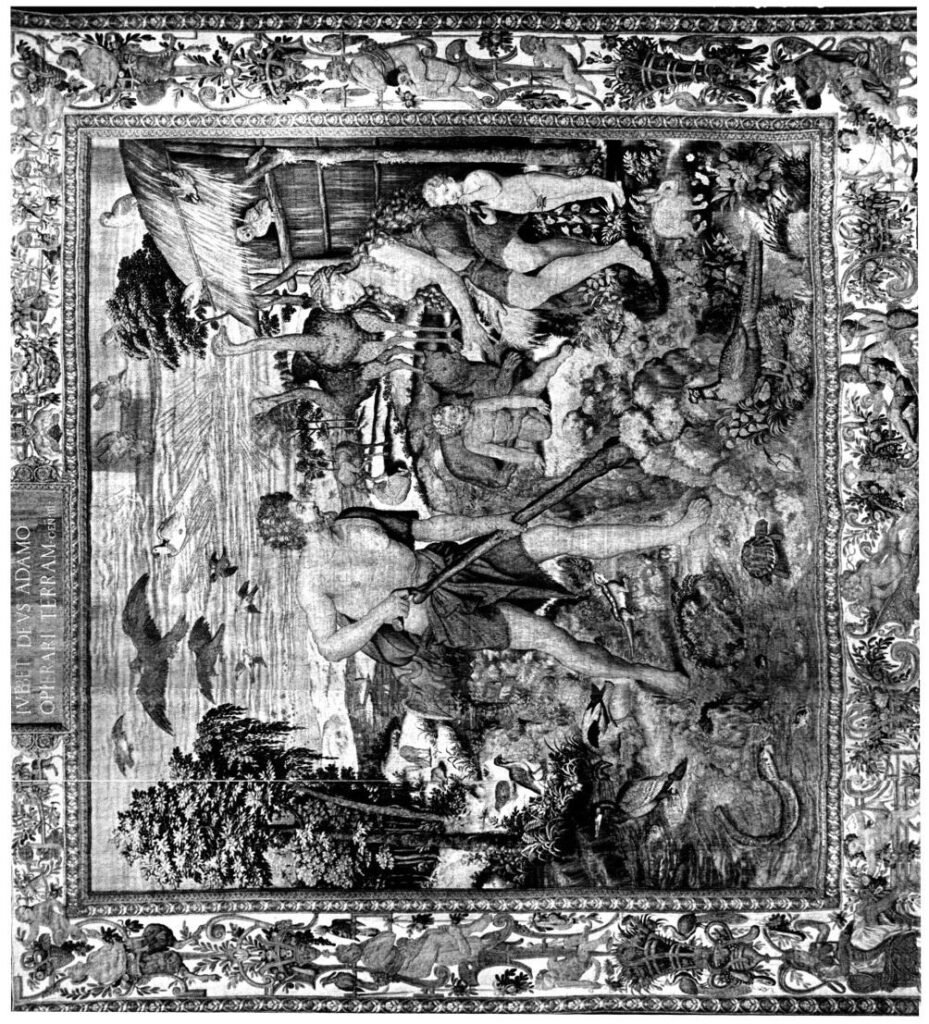
Fig. 75. “Adam, cultivating the land”, a tapestry from the collection
of King Sigismund Augustus. Brussels, about the middle of the XVI century,
according to the design of Michail Cox from the collection of tapestries
of the Wawel Palace, Poland
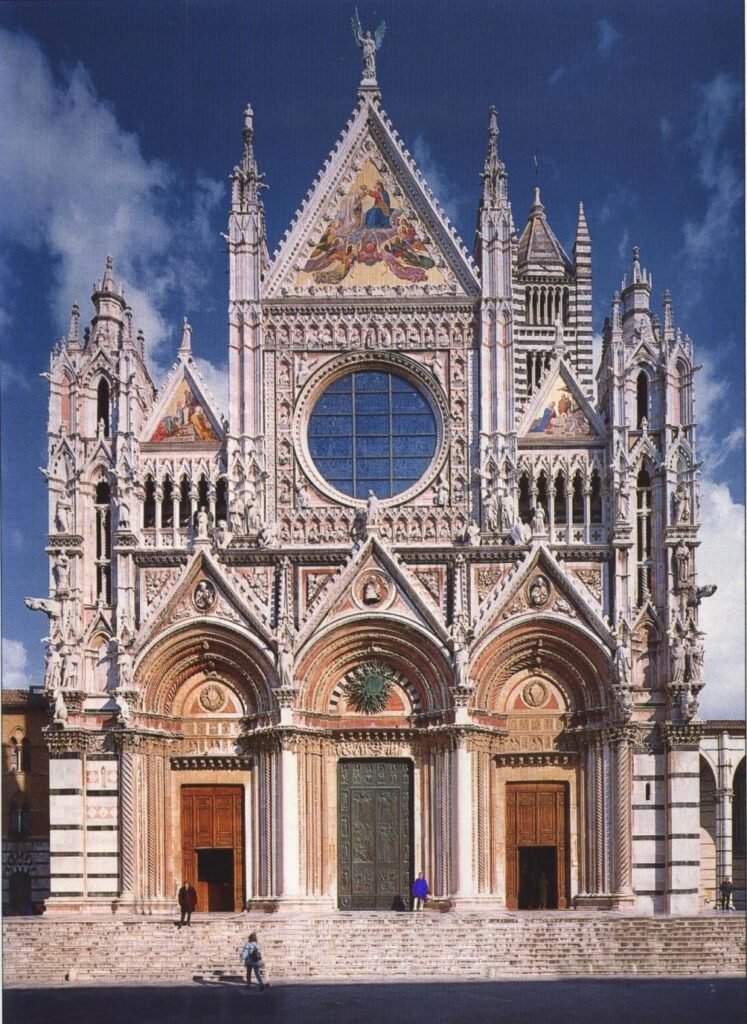
Fig. 76. Cathedral of the Duomo, Siena. Italy (12–16th centuries.). The oldest and most completed example of Gothic style
(a photo)
Рис. 77. Аксели Гален-Каллела. Проклятье Куллерво. 1899, по мотивам древнего эпоса «Калевала», Финляндия
Lecture 9.
The development of mankind over the past 150 years
the middle of the 19th century began the technical-industrial revolution. A steam engine was invented by Uyat, Faraday discovered magnetic induction, by the end of the century Serb Kostovic invented and made the first gasoline engine with a capacity of more than a hundred horsepower, he invented a spark plug for this engine and carburetor, 10 years before the German company Benz, The power of the first engine of which was only 3.5 horsepower. Danila Dobrovolsky is an AC motor; Tesla invented and introduced the entire AC line into the series: a steam (and then a gasoline) generator, an electric motor and an AC transformer.
Now, in a relatively short period of time within 5–10 years or one life, it was possible to get rich, for this it was necessary only to introduce machines and machines. Thus, the economic climate has changed dramatically in comparison with the way of life and the economic situation of the past fifteen hundred years of the feudal system.
Those who were eager for money, fame, who were intelligent, arrogant, knew how to organize, inspire, lie, deceive, steal, evade taxes, etc., had the prospect, that is, people needed a completely different psychology than a quiet, God-fearing, simple and honest man of the middle ages.
Such people were, they were not very many, but they differed sharply from others: titanic diligence, thirst for money or fame, or both, and this, unlimited greed and even incredible greed. At the same time, the overwhelming part of them did not possess high moral Christian qualities. Thirst for money and fame overwhelmed a certain part of people, very different from the other.
The rest, in order not to die of hunger, were forced to submit to such a way of life: capital gaining maximum profit. And on this road, capital did not stop at nothing: cutting off the ears of the unemployed in England, exterminating American Indians and seizing their lands, seizing people from Africa and turning them into slaves on American plantations, cruel punishment of bogs in India, exploiting child labor factories and plants, the unleashing of the bloody First and Second World War, etc. etc.
Modern capital is trying to keep silent about its true nature of its origin (appearance, birth, and accumulation of initial capital): the merciless exploitation of its people and the plunder of colonies, but history does not forget this. They can be considered mutants compared to the entire average gray mass. And they got down to business and advanced the technique, then the economy, and then the lifestyle of all the strata.
The gasoline engine required a lot of gasoline, which meant that oil production grew on a cosmic scale. Compared to medieval energy carriers, the engine gave the strongest economic effect, the ability to carry out transportation on any scale, by any means of transport, which means it gave not only means for existence (they were enough before), but the ability to get rich in any industry, therefore, about the consequences of its influence and CHP no one thought. And there were such as: Siemens, Edison, Rockefeller, Nobel and a thousand others who have advanced the economy, while very rich.
The fact that earlier even kings could accumulate only for the whole life, and bankers for several generations, now it was possible – in 5 years, having introduced some kind of innovation into production.
Such riches and capitals appeared that, compared to them, even the wealth of the Persian kings faded.
There is no doubt that for their time they were mutants and the most adapted to the new natural-economic climate compared to others, since a normal person did not need as much fame, money and wealth as they did in just 20 years.
Thus, the economic climate drastically changed by the beginning of the 20th century caused the growth of wealth in those people who wanted to an inordinate amount. This economic system worked for a century, involving more and more people, nations, countries, and all of humanity.
And this empire of people (mutants who are most adapted to the new economic conditions) began to dominate in all spheres of people’s lives, and people and their cars began to dominate in nature, like dinosaurs in their time.
In their time, the people moved from the patriarchate of the Neanderthals of the ancient man to the matriarchy of the Cro-Magnon (modern man), from the matriarchy the modern man passed to the patriarchate of the aristocracy (kings, kings, etc.), and from him in the 20th century to the domination of impersonal capital and maximum profit, i.e. the domination of free funds for the development of production. And the change always occurred with a sharp change in the natural-economic conditions.
By the end of the 20th century – the beginning of the 21st century, this economic system reached its apogee, but it became destructive both for the ecology of the Earth, and for the psyche and health of people.
While some children, having been born without doing anything, receive millions of profits every day, they don’t touch a finger, because they don’t even know how to move them (yachts, mines, airplanes), while others, and many millions, having been born they die from inhuman conditions, and then from poverty and poor people, because they don’t even have a chance to live hungry and suffer.
Hydrocarbons eventually end or become fantastically expensive in the 21st century, nature has approached its crisis pollution, but the mutants that dominated in the 19th and 20th centuries and their followers in the 21st century continue the same policy that will lead to the destruction of Earth’s nature in the 21st century and all of humanity, the merciless exploitation of nature and people, for the sake of wealth and power. They, like dinosaurs at one time, strenuously destroy nature and themselves, unaware of their imminent death, along with the ruined nature.
The economic climate has already changed and to wait for its sharp change (the crisis of energy production and the destruction of nature) means to lead to the death of earthlings or to a sharp reduction in its numbers and deterioration in the quality of nature and life.
. The time has come for the end of the cruel period of human development, which means the emergence of new mutants, who are faced with completely new challenges, than it has been until now.
Consider the main tasks facing humanity in the 21st century, and more precisely in its first half.
References
1. “Life – how did it come about? By evolution or by creation. ” WATCH Tower Bible and Tract Society of Pennsylvania.
2. Horet Rast “From the Chronicle of the Earth”. Publishing house “Lumina”, Chisinau, 1983. Translated from German by I. Shcherbakova.
3. “The Steppes of Eurasia in the Middle Ages“, executive editor S.A. Pletnev. Publishing house “Science”, Moscow, 1981
4. V.V. Sedov. “Eastern Slavs in the 6th-13th centuries.”, Editor-in-chief B.A. Rybakov, 1982
5. “Ancient Russia. City, castle, village. Executive editor V.A. Kolgin, 1985
6. “The Steppes of the European Part of the USSR in the Scythian-Sormatian Time,” the editor in chief of the Doctor of History A.I. Melyukova, 1989.
* * *
7. Journal “Knowledge is power”, 1981, No. 1–12.
8. Authors: Arch. Stefan Stamov and other “Architectural Heritage of Bulgaria“, Union of Architects of Bulgaria, State publishing house “Tekhnika”, Saeria – 1972
9. Author – compiler N.I. Rybakova, “The Art of Countries and Peoples of the World. Art of Cambodia “, Publishing House” Visual Arts “, Moscow, 1977
10. “Aeneolithic“, Archeology of the USSR, Publishing House “Science”, Moscow, 1982.